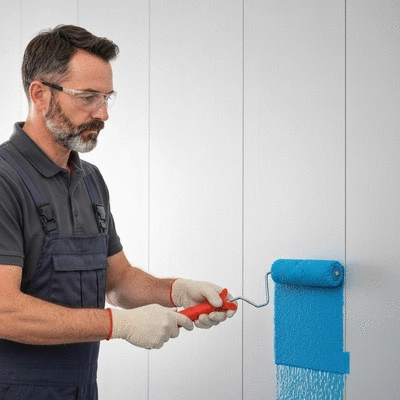
Liquid Waterproofing for Commercial Properties
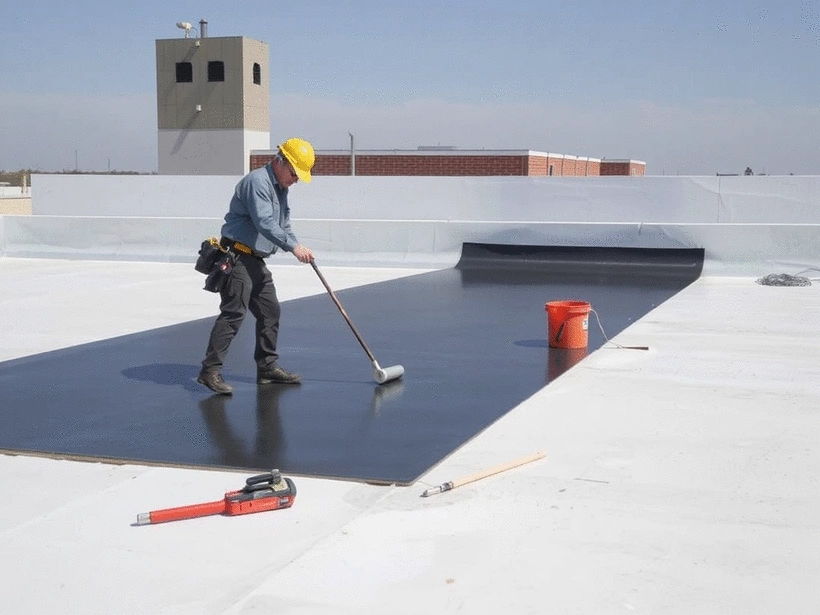
What if you could protect your commercial property from costly water damage with a simple solution? Liquid waterproofing offers just that—a robust barrier against moisture that can save you both time and money in the long run.
What You Will Learn
- Liquid waterproofing creates a seamless barrier that prevents moisture penetration, crucial for commercial properties.
- Different types of liquid waterproofing systems like polyurethane, cementitious coatings, and acrylic coatings cater to various applications.
- Effective moisture control is essential; conduct thorough moisture assessments before applying any waterproofing system.
- Surface preparation is critical for adhesion; ensure surfaces are clean, repaired, and dry before application.
- The curing time and environmental conditions can significantly affect the performance of your waterproofing system.
Key Aspects of Liquid Waterproofing for Commercial Properties
Effective liquid waterproofing involves several critical steps and considerations, from understanding its importance to selecting the right system and ensuring proper application.
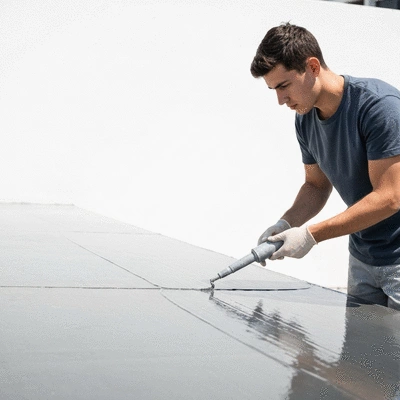
Importance of Liquid Waterproofing
- Durability: Long-lasting protection against elements.
- Seamless Application: Minimizes leak risks.
- Quick Installation: Reduces downtime for projects.
Protects against structural damage and enhances property longevity.
Types of Systems & Moisture Control
- Polyurethane: Flexible, UV resistant (roofs).
- Polymer-modified Cementitious: Below-ground adhesion.
- Acrylic Coatings: Cost-effective, easy application.
- Moisture Tests: Gauge substrate levels.
- Drainage Assessment: Prevent water accumulation.
Selecting the right system requires a thorough moisture assessment.
Key Selection Considerations
- Surface Preparation: Clean, prepped for adhesion.
- Membrane Type: Polyurethane, acrylic, etc.
- Environmental Conditions: Climate assessment.
- Compliance: Meets Australian standards.
Crucial for extending lifespan and durability of structures.
Application & Curing Factors
- Brush Application: Small, detailed areas.
- Roller Application: Quick coverage for large areas.
- Spray Application: Efficient, uniform layer.
- Temperature: Affects curing speed.
- Humidity: Can prolong curing process.
Optimal application techniques and environmental awareness are critical.
Understanding Liquid Waterproofing for Commercial Properties
As someone deeply invested in the waterproofing industry, I can tell you that liquid waterproofing plays a crucial role in safeguarding commercial properties. But what exactly is it? Liquid waterproofing involves applying a seamless membrane to surfaces, creating a robust barrier against moisture penetration. This method is particularly essential for commercial properties, where water damage can lead to significant financial losses and safety hazards.
Have you ever considered the potential risks associated with inadequate waterproofing? Water can infiltrate structures, leading to mold growth, structural damage, and a decline in property value. By investing in liquid waterproofing, you not only protect your investment but also enhance the longevity of your commercial space. Let’s explore why it’s important!
What is Liquid Waterproofing and Why is it Important?
Liquid waterproofing systems provide a flexible and durable solution for preventing water ingress. Unlike traditional methods, they form a continuous layer that conforms to the surface, making them ideal for complex geometries and areas prone to cracking. This flexibility is crucial in commercial settings, where buildings often experience shifting and movement. For more information on comprehensive building envelope waterproofing, consult resources from the National Roofing Contractors Association (NRCA).
- Durability: Liquid membranes are designed to withstand the elements, ensuring long-lasting protection.
- Seamless Application: The absence of seams minimizes the risk of leaks, making this system highly effective.
- Quick Installation: Most liquid waterproofing systems cure quickly, reducing downtime and allowing for faster project completion.
When you choose liquid waterproofing, you're not just investing in a service; you're ensuring your property stands strong against the challenges posed by the Sunshine Coast's unique climate.
Types of Liquid Waterproofing Systems Available
There are several types of liquid waterproofing systems available, each suited to specific applications. Some common options include:
- Polyurethane: Known for its flexibility and UV resistance, making it ideal for roofs and exposed areas.
- Polymer-modified Cementitious Coatings: Perfect for below-ground applications due to their excellent adhesion and durability.
- Acrylic Coatings: These provide a cost-effective solution for roofs and are easy to apply and maintain.
Each type serves different functions, so it’s essential to assess the specific needs of your commercial property before making a selection. With over a decade of experience, I always recommend consulting with a professional to determine which system is best suited for your project.
Moisture Control: Key to Effective Waterproofing
Moisture control is critical in ensuring the effectiveness of any waterproofing system. Before applying a liquid waterproofing membrane, it's vital to conduct a thorough moisture assessment of the area in question. This process helps identify potential sources of water intrusion and informs the selection of the right waterproofing solution. The Federal Emergency Management Agency (FEMA) offers valuable insights into building science and flood damage prevention, which can be useful in understanding broader moisture control strategies.
- Conduct Moisture Tests: These tests can help gauge the moisture levels in the substrate, guiding your waterproofing strategy.
- Assess Drainage Systems: Proper drainage is essential to prevent water accumulation, which can compromise the waterproofing layer.
- Regular Inspections: Keeping an eye on moisture levels can help catch problems early, ensuring your waterproofing remains effective.
By focusing on moisture control, you can significantly enhance the overall performance of your liquid waterproofing system and protect your commercial property for years to come.
Pro Tip
When selecting a liquid waterproofing system, don't overlook the importance of environmental conditions. The Sunshine Coast's unique climate can affect both the application and curing process. Always consult with a waterproofing specialist to choose products that are specifically designed to perform well in your area's weather conditions for optimal long-term results.
Key Considerations for Selecting Liquid Waterproofing Solutions
Choosing the right liquid waterproofing solution for your commercial property is crucial. It goes beyond just picking a product; it involves understanding your specific needs, the surfaces involved, and the expected environmental conditions. As a seasoned waterproofing specialist, I've witnessed firsthand how the right choices can extend the lifespan of commercial structures and enhance their durability. Always consider product evaluation reports, such as those provided by ICC Evaluation Service (ICC-ES), to ensure compliance and performance.
Here's a list of key considerations you should keep in mind when selecting liquid waterproofing solutions:
- Surface Preparation: Ensure the surface is clean and properly prepped for optimal adhesion.
- Membrane Type: Consider different types of membranes like polyurethane or acrylic, based on your project's requirements.
- Environmental Conditions: Assess the climate and weather conditions of the Sunshine Coast to choose a suitable product.
- Compliance with Standards: Ensure your waterproofing choice meets Australian standards for quality assurance.
By focusing on these aspects, you can make a well-informed decision that will lead to a successful waterproofing project. Always remember, the longevity of your waterproofing system starts with the right selection!
FAQs about Liquid Waterproofing for Commercial Properties
What is liquid waterproofing?
Liquid waterproofing involves applying a seamless, flexible membrane to surfaces to create a barrier against moisture penetration, crucial for protecting commercial properties from water damage.
Why is liquid waterproofing important for commercial properties?
It prevents significant financial losses and safety hazards caused by water damage, such as mold growth, structural damage, and decreased property value, while enhancing the longevity of the commercial space.
What are the main types of liquid waterproofing systems?
Common types include polyurethane (flexible, UV resistant, ideal for roofs), polymer-modified cementitious coatings (excellent for below-ground applications), and acrylic coatings (cost-effective and easy to apply for roofs).
How crucial is moisture control in liquid waterproofing?
Moisture control is critical. A thorough moisture assessment, moisture tests, and proper drainage system assessment before application are vital to ensure the waterproofing system's effectiveness and prevent water accumulation.
What factors should be considered when selecting a liquid waterproofing solution?
Key considerations include proper surface preparation, the appropriate membrane type for the project, assessment of environmental conditions, and ensuring compliance with relevant quality standards.
What are the typical application techniques for liquid waterproofing?
Application techniques vary based on area size and detail: brush application for small, detailed areas; roller application for quick coverage of larger surfaces; and spray application for efficient, uniform layers over large areas.
How do curing time and environmental factors affect waterproofing performance?
Curing time can range from hours to days, influenced significantly by environmental factors. Higher temperatures can accelerate curing, while lower temperatures and high humidity can prolong it. Proper ventilation is also important.
Evaluating Surface Preparation for Optimal Performance
Surface preparation is a cornerstone of effective waterproofing. Without a well-prepared surface, even the best liquid waterproofing materials can fail. I always stress to my clients that taking the time to prepare the substrate correctly will pay off significantly in the long run.
- Cleaning: Remove dirt, grease, and any contaminants from the surface.
- Repairs: Fix any existing cracks or damage to create a smooth surface.
- Drying: Ensure the surface is dry before application to avoid trapping moisture.
Effective surface preparation not only enhances adhesion but also reduces the chances of future repairs. This step is truly essential for achieving the best results in waterproofing.
Understanding Membrane Application Techniques
The application of the membrane is just as critical as selecting the right product. Different techniques can yield varying results, so it's important to understand how each technique affects the overall effectiveness of the waterproofing system. In my experience, following manufacturer guidelines ensures the best outcomes.
Here are some popular application techniques to consider:
- Brush Application: Ideal for small areas and detailed work.
- Roller Application: Provides quick coverage for larger surfaces.
- Spray Application: Efficient for large areas and creates a uniform layer.
Choosing the right application method can significantly impact the performance of your waterproofing system. Make sure to consult with a professional for the best technique suited for your specific project!
The Role of Curing Time and Environmental Factors
Curing time plays a vital role in how well your waterproofing system performs. Depending on the product, curing can take anywhere from a few hours to several days. Environmental factors such as temperature and humidity can also affect curing. As someone deeply involved in the Sunshine Coast's waterproofing landscape, I've seen how these variables can impact project timelines.
Consider these points when planning your application:
- Temperature: Higher temperatures can speed up curing, whereas lower temperatures may slow it down.
- Humidity: High humidity can prolong the curing process, so plan accordingly.
- Ventilation: Ensure proper ventilation if applying indoors to facilitate drying.
Being aware of these factors will help you manage expectations and ensure a successful installation.
Product Specifications and Manufacturer Recommendations
Lastly, always pay attention to product specifications and manufacturer recommendations. These guidelines are designed to help you achieve the best results from your chosen waterproofing system. As a waterproofing specialist, I find that adhering to these recommendations often separates successful projects from those that experience issues down the line.
Here are some aspects to review:
- Coverage Rates: Understand how much area a specific product can cover.
- Drying Times: Be clear on how long to wait before exposure to moisture.
- Application Temperature Range: Verify the acceptable temperature range for application.
By following the manufacturer's recommendations, you can avoid costly mistakes and ensure the long-lasting effectiveness of your waterproofing system!
Recap of Key Points
Here is a quick recap of the important points discussed in the article:
- Liquid Waterproofing: A seamless membrane that protects commercial properties from moisture penetration, preventing potential water damage and mold growth.
- Types of Systems: Options include polyurethane for flexibility, polymer-modified cementitious coatings for durability, and acrylic coatings for cost-effectiveness.
- Moisture Control: Conduct moisture tests and assess drainage systems to ensure effective waterproofing.
- Surface Preparation: Properly clean and repair surfaces to enhance adhesion and reduce future repairs.
- Application Techniques: Choose the right method (brush, roller, or spray) for optimal results based on the project scale.
- Curing Factors: Consider temperature and humidity as they can affect curing times and overall system performance.
- Manufacturer Recommendations: Always follow product specifications to ensure long-lasting effectiveness of waterproofing systems.