Queensland Waterproofing Rules for Businesses
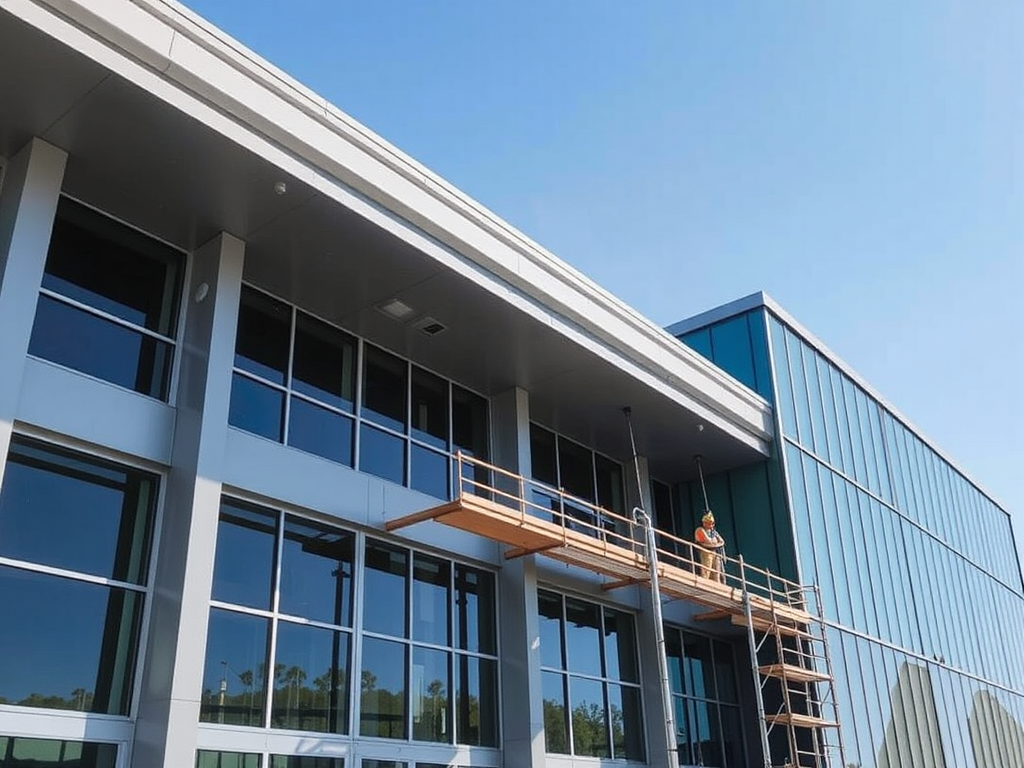
As the landscape of commercial building regulations evolves, staying compliant is more crucial than ever. Understanding the nuances of Queensland's waterproofing regulations can safeguard your investment and enhance the appeal of your property.
What You Will Learn
- Compliance with waterproofing regulations prevents costly repairs and legal liabilities.
- Key frameworks like NCC 2022 and AS 3740 are vital for ensuring compliance in waterproofing projects.
- The QBCC provides resources and inspections to help maintain adherence to building codes.
- Understanding moisture management requirements is essential for effective waterproofing in commercial buildings.
- Preparing for upcoming regulations in 2026 can secure your property’s compliance and value.
Key Waterproofing Regulations and Frameworks in Queensland for Commercial Buildings
This visual outlines the essential regulatory frameworks and the role of key organizations ensuring compliance with waterproofing standards in Queensland.
Why Compliance Matters: Core Benefits
- ✓ Prevents costly repairs
- ✓ Ensures tenant safety
- ✓ Enhances property value
- ✓ Avoids legal complications
Key Regulatory Frameworks
- NCC 2022: Building safety & health requirements
- AS 3740: Wet area waterproofing standards
Role of QBCC
- Resources: Guides for builders & owners
- Inspections: Ensures adherence to codes
- Enforcement: Addresses complaints
Understanding Queensland Waterproofing Regulations for Commercial Buildings
When it comes to protecting your commercial building from water damage, understanding Queensland waterproofing regulations is essential. Compliance with these regulations not only ensures the safety and integrity of your property but also helps avoid costly repairs down the line. Here at Waterproofing Solutions Sunshine Coast, we emphasize the importance of adhering to these standards to safeguard your investment.
Waterproofing regulations govern various aspects of construction, from the materials used to the installation processes. They are designed to ensure that buildings can effectively withstand moisture intrusion, which is crucial in our beautiful yet sometimes unpredictable Sunshine Coast climate. So, let’s dive into why compliance matters, and what frameworks you need to be aware of.

Why Compliance Matters: An Overview of Waterproofing Regulations
Compliance with waterproofing regulations is more than just a legal obligation; it’s about protecting your property and its occupants. Adhering to these standards minimizes the risk of water damage, mold growth, and structural issues. This is critical for commercial properties, where the implications of water intrusion can lead to not just financial losses but also legal liabilities.
Additionally, compliance fosters trust between property owners and tenants or customers. A building that meets regulations signals that you prioritize safety and quality, making it more attractive to potential occupants. Here are some key reasons compliance matters:
- Prevents costly water damage repairs
- Ensures tenant safety and comfort
- Enhances property value and marketability
- Avoids legal complications and fines
In summary, understanding and implementing these regulations is a wise investment for any commercial property owner.
Key Regulatory Frameworks: NCC 2022 and AS 3740
In Queensland, two key frameworks govern waterproofing standards: the National Construction Code (NCC) 2022 and AS 3740, which focuses on waterproofing for residential and commercial buildings. The NCC provides overarching guidelines for construction, while AS 3740 dives deeper into the specifics of waterproofing systems and methods.
Understanding these frameworks is crucial for ensuring compliance in your waterproofing projects. Here’s what you need to know:
- NCC 2022: Sets out the minimum necessary requirements for building safety, health, and sustainability. For detailed information, refer to the NCC 2022 on wet area waterproofing.
- AS 3740: Details the design and installation of waterproofing membranes in wet areas, ensuring effective moisture management.
Both of these documents serve as vital resources for contractors and property owners alike. Ensuring your waterproofing measures align with these standards is key to long-term success.
Role of the Queensland Building and Construction Commission (QBCC) in Compliance
The Queensland Building and Construction Commission (QBCC) plays a pivotal role in regulating the building and construction industry, including waterproofing. As a property owner, being familiar with the QBCC's guidelines can significantly impact your project's success.
They provide resources, guidance, and enforcement to ensure compliance with building codes. Here’s how the QBCC supports waterproofing compliance:
- Offering educational resources for builders and contractors. You can find more information about waterproofing done right on the QBCC website.
- Conducting inspections to ensure adherence to regulations.
- Addressing complaints related to building practices.
Working with the QBCC can help you navigate the complexities of building regulations, giving you peace of mind that your project is compliant with all necessary standards. Additionally, the QBCC manages waterproofing licenses, ensuring professionals meet required standards.
Exploring the National Construction Code (NCC) and Its Impact on Waterproofing
The National Construction Code (NCC) is a comprehensive document that outlines the minimum necessary standards for the construction and design of buildings across Australia, including waterproofing measures. By adhering to these codes, we as waterproofing specialists can ensure our projects not only comply with legal requirements but also stand the test of time.
Some key areas of the NCC that impact waterproofing include:
- Design requirements for effective moisture management
- Specifications for materials that ensure durability and performance
- Guidelines for assessing and mitigating water risks in buildings
Understanding the NCC helps us implement the most effective waterproofing solutions tailored to the unique needs of commercial buildings on the Sunshine Coast.
Pro Tip
When selecting waterproofing solutions for your commercial building, always consult with licensed professionals who have experience with the specific regulations in Queensland. This ensures that you not only comply with the standards but also receive tailored advice that suits your property's unique needs. Investing in expert guidance can save you significant costs in the long run by preventing compliance issues and potential water damage.
Summarizing the Essential Points of Compliance
As we wrap up our discussion on waterproofing regulations for commercial buildings in Queensland, it’s crucial to summarize the key regulations and best practices that ensure compliance. Understanding these points can save you from potential pitfalls and costly mistakes. So, let’s take a closer look!
- National Construction Code (NCC) 2022: Sets the minimum requirements for building design and performance.
- AS 3740: Outlines the waterproofing standards specifically for wet areas.
- Graded membranes: Essential for proper drainage and preventing water ingress.
- Certification and documentation: Required for all waterproofing installations to validate compliance.
- QBCC Licensing: Ensures that contractors meet the necessary professional standards.
These elements are not just technicalities; they are foundational to protecting your property and ensuring safety. By adhering to these standards, you can mitigate risks and promote longevity in your buildings.

Frequently Asked Questions About Queensland Waterproofing Regulations
- What are the primary waterproofing regulations in Queensland for commercial buildings?
- The primary regulations are governed by the National Construction Code (NCC) 2022 and AS 3740, which specifies standards for waterproofing wet areas.
- Why is compliance with waterproofing regulations important for commercial properties?
- Compliance is crucial to prevent costly repairs from water damage, ensure tenant safety, enhance property value, and avoid legal liabilities and fines.
- What role does the QBCC play in waterproofing compliance?
- The Queensland Building and Construction Commission (QBCC) provides educational resources, conducts inspections to ensure adherence to building codes, and addresses complaints related to building practices.
- What specific aspects of waterproofing does NCC 2022 cover?
- NCC 2022 covers minimum requirements for building safety, health, and sustainability, including design specifications for effective moisture management, material durability, and guidelines for mitigating water risks.
- How can commercial property owners prepare for upcoming waterproofing regulations in 2026?
- Property owners can prepare by conducting thorough inspections of existing systems, engaging licensed professionals for upgrades, staying updated on changing regulations, and investing in staff training on waterproofing requirements.
Next Steps: Ensuring Your Commercial Building Meets 2026 Requirements
Looking ahead to the upcoming regulations in 2026, it’s essential to start preparing now. Have you assessed your current waterproofing measures? Here are some steps you can take to ensure compliance:
- Conduct a thorough inspection of your existing waterproofing systems.
- Engage with licensed professionals to evaluate any necessary upgrades.
- Stay updated on changing regulations and standards affecting your business.
- Invest in training for your staff to enhance their understanding of waterproofing requirements.
By taking these proactive measures, you not only ensure compliance but also protect your investment in your commercial property.
Call to Action: Connecting with Licensed Waterproofing Professionals
How to Find Qualified Contractors in Queensland
Choosing the right contractor is vital for effective waterproofing. Here are some tips for finding qualified professionals in Queensland:
- Check for QBCC licensing and previous project experience.
- Read online reviews and request references from past clients.
- Ask for detailed quotes that outline the scope of work and materials used.
- Ensure they have experience with the specific regulations applicable to your project.
By following these guidelines, you can enhance your chances of hiring the best waterproofing contractor for your needs.
Resources for Further Guidance and Training Opportunities
Staying informed about waterproofing practices is key to compliance and success in the industry. Below are some resources you might find valuable:
- The Queensland Building and Construction Commission (QBCC) website for the latest updates on regulations.
- Industry associations that offer training and certification programs.
- Workshops and seminars on waterproofing solutions tailored to Queensland’s climate.
Utilizing these resources will help you stay ahead in the field and ensure your projects meet all necessary standards.
Exploring Industry Trends in the Waterproofing Sector
The waterproofing industry is constantly evolving. Staying up to date with the latest trends can give you a competitive edge. Here are some trends worth noting:
- Sustainable practices: Increasingly, contractors are adopting eco-friendly materials and methods.
- Advanced technology: Innovations in waterproofing products are enhancing durability and efficiency.
- Integrated systems: Seamless integration of waterproofing solutions with other building systems is becoming standard.
By keeping an eye on these trends, you can ensure that your waterproofing practices are not just compliant but also forward-thinking.
Recap of Key Points
Here is a quick recap of the important points discussed in the article:
- Compliance is Crucial: Adhering to Queensland waterproofing regulations minimizes risks of water damage, mold growth, and legal liabilities.
- Key Frameworks: Understand the National Construction Code (NCC 2022) and AS 3740 for effective waterproofing practices.
- Role of QBCC: The Queensland Building and Construction Commission provides resources and conducts inspections to ensure compliance.
- Documentation is Essential: Proper certification and documentation validate compliance with waterproofing installations.
- Prepare for Future Regulations: Start assessing your waterproofing measures now to meet the 2026 requirements and ensure ongoing compliance.