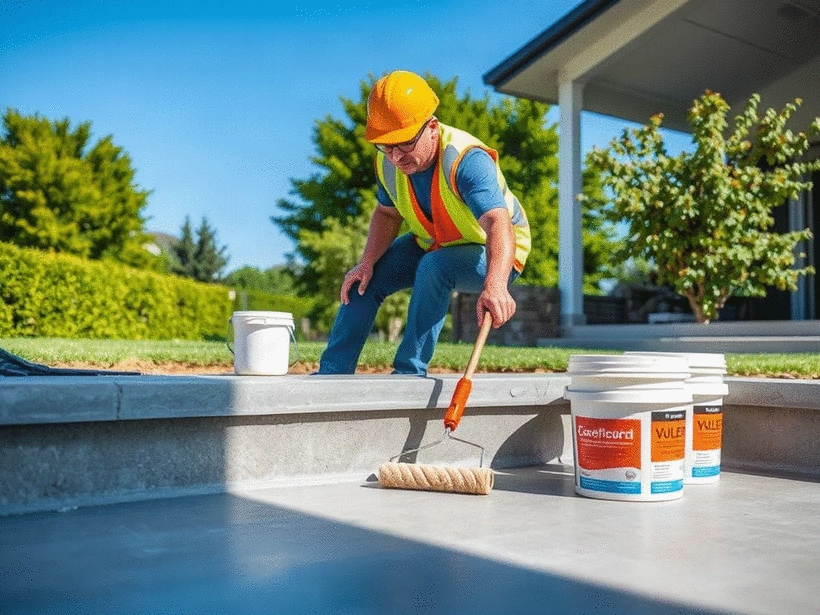
Waterproofing Concrete on Sunshine Coast

Waterproofing Concrete on Sunshine Coast

As the Sunshine Coast endures the challenges of humidity and coastal rains, safeguarding your property against water damage becomes paramount. In this article, you'll uncover the vital aspects of concrete waterproofing that every homeowner should understand.

What You Will Learn

  • Concrete waterproofing is essential for protecting properties from moisture-related damage, especially in coastal climates.
  • Different waterproofing methods, such as membrane systems, crack injections, and crystalline systems, each offer unique benefits tailored to specific needs.
  • Understanding your property's environmental conditions is key to selecting the most effective waterproofing solution.
  • Regular maintenance and evaluation of moisture levels can significantly enhance the longevity and effectiveness of waterproofing systems.

Understanding Concrete Waterproofing Methods

Each method offers unique advantages, ensuring long-lasting protection against water damage across various applications and environmental conditions. For a comprehensive guide on protecting your home, explore our residential waterproofing guide for the Sunshine Coast.

Concrete waterproofing method

Method 1:
Membrane Systems

Create a physical barrier with polyethylene or bituminous membranes. Can be sheet or liquid-applied for seamless coverage.

  • Reliable barrier
  • Flexible application

Method 2:
Crack Injection

Seals existing cracks by injecting polyurethane (expands) or epoxy (bonds) resins to stop water and restore integrity.

  • Seals existing cracks
  • Restores structural integrity

Method 3:
Crystalline Systems

Chemicals react with moisture in concrete to form crystals, blocking water pathways and providing a self-healing effect.

  • Self-healing properties
  • Enhances concrete durability

Method 4:
Surface Sealers

Liquid coatings like acrylic or silane/siloxane applied to the surface for protection, sometimes enhancing aesthetics.

  • Protective layer
  • Aesthetic enhancement

Understanding Concrete Waterproofing and Its Importance on the Sunshine Coast

When it comes to protecting your property, concrete waterproofing is a fundamental aspect that shouldn’t be overlooked. Especially here on the Sunshine Coast, where our beautiful coastal climate can be both a blessing and a challenge. Waterproofing is the process of making structures water-resistant, ensuring that moisture doesn’t seep in and cause damage over time. Whether it’s residential homes or commercial buildings, understanding the significance of concrete waterproofing is essential for safeguarding your investment.

Concrete waterproofing involves a variety of techniques and materials designed to prevent water from penetrating concrete surfaces. This can include the application of membranes, sealers, and coatings that act as barriers against moisture. By creating a protective layer, we ensure that your concrete structures remain dry and intact, even during the heaviest rains. It's not just about preventing leaks; it’s about maintaining the structural integrity of your property.

  • Membrane systems that provide a reliable barrier
  • Crack injections that seal potential vulnerabilities
  • Surface sealers that enhance both protection and aesthetics

As a waterproofing specialist, I always emphasize the importance of choosing the right method tailored to your specific situation. Each property is unique, and the right solution will depend on various factors, including location and intended use. For more insights on safeguarding your home, consider exploring essential waterproofing solutions for Sunshine Coast homes.

Why is Waterproofing Crucial for Properties in Sunshine Coast?

Waterproofing is especially crucial for properties on the Sunshine Coast due to our unique environmental conditions. The combination of high humidity, coastal rains, and sometimes intense sun can lead to a perfect storm of moisture-related problems. Without proper waterproofing, you risk facing issues like mold growth, structural deterioration, and even health concerns caused by damp environments.

  • Prevents costly repairs associated with water damage
  • Protects the health of occupants by minimizing mold growth
  • Increases the longevity of your property’s structure

By investing in quality waterproofing solutions, you're not just protecting your property; you're enhancing its value and ensuring the comfort and safety of all who enter.

The impact of coastal climate on waterproofing strategies requires tailored approaches. The constant exposure to moisture and salt air can degrade building materials over time, making it imperative to choose waterproofing methods that can withstand these conditions. For instance, I often recommend using high-quality sealants and membranes that are designed to resist both moisture and corrosion.

  • Evaluating moisture levels regularly in high-risk areas
  • Choosing durable materials that can withstand salt air
  • Implementing regular maintenance checks to ensure effectiveness

Understanding how our coastal climate affects waterproofing allows us to provide solutions that not only meet but exceed Australian standards. This proactive approach is key to maintaining your property’s lifespan while providing peace of mind.

Pro Tip

When selecting a waterproofing method, consider not only the immediate protection it offers but also its long-term durability. For coastal properties, using high-quality sealants and membranes that resist both moisture and salt air can make a significant difference in maintaining your structure's integrity and prolonging its lifespan.

Exploring Different Concrete Waterproofing Methods

As a waterproofing specialist with over a decade of experience, I can assure you that choosing the right waterproofing method is crucial for safeguarding your property. The Sunshine Coast's unique climate and environmental challenges require effective solutions that stand the test of time. Let’s dive into the various concrete waterproofing methods that can protect your home or business from water damage.

Membrane Systems: A Reliable Shield Against Water

Membrane systems provide a strong barrier against moisture. They are typically made of materials like polyethylene or bituminous membranes, which are applied to the concrete surface. These systems can be either sheet membranes or liquid-applied membranes, which offers flexibility depending on your specific needs.

  • Sheet Membranes: These are pre-manufactured sheets that can be easily installed on walls and floors.
  • Liquid-Applied Membranes: These allow for seamless application, adapting to the surface's contours and eliminating the risk of leaks.

By preventing water from penetrating the concrete, membrane systems are an excellent choice for areas prone to water exposure, like bathrooms and balconies. For more details on commercial applications, see our guide on exploring commercial waterproofing membranes.

Crack Injection: Targeted Solutions for Structural Integrity

Crack injection is another effective waterproofing method, focusing on sealing existing cracks in concrete. This process involves injecting a specialized resin into the cracks to fill voids and stop water infiltration. It’s a great solution for maintaining the structural integrity of your property.

  • Polyurethane Injection: Expands upon application, filling cracks and preventing water entry.
  • Epoxy Injection: Ideal for structural repairs, as it bonds the concrete together.

This method not only addresses visible cracks but also enhances the overall strength of your concrete, providing peace of mind against future issues.

Crystalline Systems: A Long-Lasting Approach to Prevention

Crystalline waterproofing systems are unique in that they utilize the concrete itself to prevent water ingress. These systems contain special chemicals that react with moisture to form crystals, which block water pathways within the concrete. This type of waterproofing is especially effective for below-ground structures.

  • Self-Healing: Crystalline systems can seal hairline cracks that may appear over time.
  • Durability: They enhance the overall lifespan of concrete, making them a worthy investment.

Choosing a crystalline system can significantly reduce the likelihood of water damage down the line, ensuring your structure remains secure.

Surface Sealers: Enhancing Protection and Aesthetics

Surface sealers are another layer of defense against water damage. These are applied as a liquid coating that forms a protective layer on top of the concrete. Apart from waterproofing, they can enhance the aesthetics of your surfaces.

  • Acrylic Sealers: Offer a glossy finish and are easy to apply, ideal for decorative concrete.
  • Silane/Siloxane Sealers: These penetrate deeply into the concrete, providing long-lasting protection without changing the surface appearance.

Using surface sealers not only protects your concrete but also keeps it looking great for years!

Polyurethane and Epoxy Coatings: Advanced Waterproofing Solutions

Polyurethane and epoxy coatings are advanced solutions that create a tough, protective layer on concrete surfaces. These coatings are ideal for high-traffic areas and offer superior durability against wear and water.

  • Polyurethane Coatings: Flexible and resistant to extreme temperatures, making them suitable for outdoor applications.
  • Epoxy Coatings: Highly resistant to chemicals and abrasions, perfect for industrial settings.

These coatings are particularly beneficial for areas like garages and commercial spaces where heavy use is common.

Water-Resistant Coatings: Additional Layers of Protection

Finally, water-resistant coatings serve as an extra layer of protection for your concrete. These coatings can be applied to various surfaces, effectively repelling water and preventing moisture from causing damage.

  • Silicone Coatings: Provide excellent water repellency while maintaining breathability.
  • Bituminous Coatings: Offer robust protection against water and are often used in below-grade applications.

Incorporating water-resistant coatings into your waterproofing strategy can prolong the life of your structures.

Frequently Asked Questions About Concrete Waterproofing

Q: Why is concrete waterproofing essential on the Sunshine Coast?
A: Due to high humidity, coastal rains, and salt air, the Sunshine Coast climate poses significant risks of moisture-related property damage. Waterproofing is crucial to prevent mold, structural deterioration, and costly repairs, preserving property value and safety.
Q: What are the main types of concrete waterproofing methods?
A: The main methods include membrane systems (sheet or liquid-applied), crack injection (using polyurethane or epoxy), crystalline systems (self-healing), surface sealers (acrylic or silane/siloxane), and advanced coatings (polyurethane and epoxy).
Q: How does crystalline waterproofing work?
A: Crystalline systems contain chemicals that react with moisture in concrete to form crystals, blocking water pathways. This method offers self-healing properties for hairline cracks and enhances the concrete's overall durability.
Q: What role do surface sealers play in concrete waterproofing?
A: Surface sealers form a protective liquid layer on concrete, repelling water and enhancing aesthetics. Acrylic sealers offer a glossy finish, while silane/siloxane sealers penetrate deeply for long-lasting protection without altering appearance.
Q: How can I choose the right waterproofing method for my property?
A: Selecting the right method depends on factors like your property's location, environmental conditions, intended use, and existing issues (e.g., cracks). Consulting with a waterproofing specialist is recommended to tailor the best solution for your specific needs.

Now that you have an overview of the different concrete waterproofing methods, consider which combination of solutions will work best for your property. At Waterproofing Solutions Sunshine Coast, we are committed to helping you choose the right approach tailored to your specific needs. If you have any questions or need a consultation, don’t hesitate to reach out!

Recap of Key Points

Here is a quick recap of the important points discussed in the article:

  • Concrete waterproofing is essential for protecting properties from moisture-related damage, especially in coastal environments like the Sunshine Coast.
  • Different waterproofing methods include membrane systems, crack injections, crystalline systems, surface sealers, and advanced coatings, each with unique benefits.
  • Regular maintenance and evaluation of waterproofing systems are crucial to ensure long-lasting effectiveness against water damage.
  • Investing in quality waterproofing solutions enhances property value and ensures the comfort and safety of occupants.
  • Choosing the right waterproofing method should be tailored to the specific environmental conditions and needs of each property.
Waterproofing solution application
Understanding SEO Basics for Beginners Understanding SEO Basics for Beginners Did you know that leveraging the right tools can dramatically enhance your online visibility? Keywor
Waterproofing Solutions for Builders Sunshine Coast Waterproofing Solutions for Builders Sunshine Coast Consider the impact of water damage: a single leak can lead to costly repairs and even compromise th
Waterproofing Apartments on Sunshine Coast Waterproofing Apartments on Sunshine Coast Have you ever imagined the consequences of water damage in your apartment? The slow creep of moistur

Request a Free Quote