Common Waterproofing Mistakes to Avoid
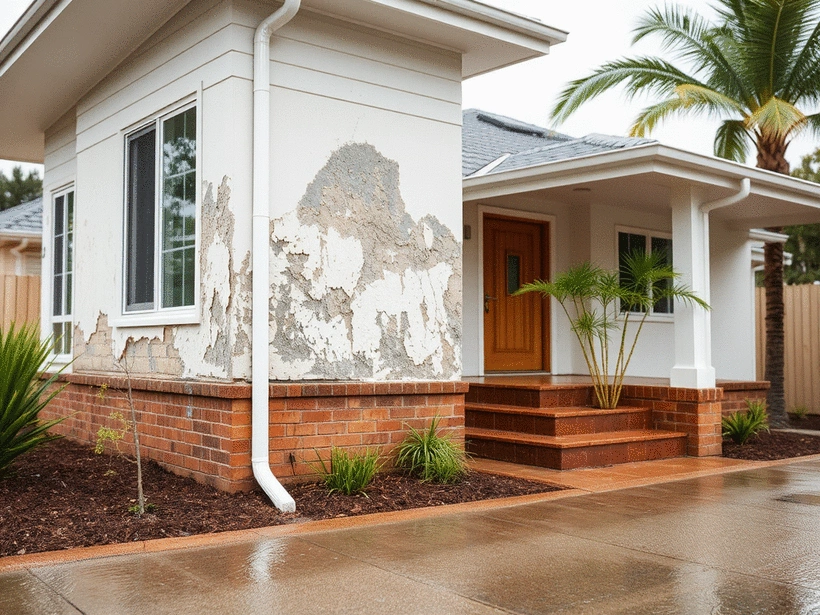
It's estimated that water damage can cost homeowners thousands of dollars in repairs. Yet, many are unaware of the common waterproofing mistakes that can lead to these costly issues. By understanding and preventing these pitfalls, you can protect your home and investment.
What You Will Learn
- Proper waterproofing is essential to prevent structural damage from water infiltration.
- Neglecting drainage systems can lead to significant water pooling and damage.
- High humidity and saltwater exposure in coastal areas require specialized waterproofing solutions.
- Regularly checking for cracks and gaps can help mitigate future repair costs.
- Using compatible waterproofing products is crucial for optimal performance and longevity.
- Incorrect application techniques and overlooking curing times can lead to waterproofing failures.
- Ventilation is necessary to manage moisture levels effectively and prevent mold growth.
Understanding Common Waterproofing Mistakes
Here's a breakdown of common waterproofing mistakes and essential solutions, crucial for Sunshine Coast homeowners facing unique coastal challenges.

Mistake 1: Neglecting Drainage
Poor drainage leads to water pooling around foundations, increasing the risk of infiltration and structural issues in high rainfall areas.
Mistake 2: Inadequate Surface Prep
Failing to clean, repair, or prime surfaces before applying waterproofing can lead to poor adhesion and premature failure.
Mistake 3: Overlooking Cracks & Gaps
Small cracks and gaps provide direct entry points for water, compromising the entire waterproofing system. Requires prompt attention.
Mistake 4: Using Incompatible Products
Mixing products not designed to work together can lead to chemical reactions, reduced effectiveness, and premature failure.
Understanding Common Waterproofing Mistakes in Sunshine Coast Homes
As a homeowner on the Sunshine Coast, understanding waterproofing mistakes can save you a lot of trouble down the line. With our unique coastal environment, the risks of water damage are heightened. It's crucial to recognize these pitfalls to protect your investment and ensure your home remains a safe haven.
Often, I see the same issues arise time and time again. Each mistake can lead to significant challenges, not just financially but also in terms of comfort and safety. Let’s dive into the critical reasons why waterproofing is so essential for our local residents, and how the coastal conditions we face exacerbate these concerns.
Why Waterproofing is Critical for Sunshine Coast Residents
Waterproofing is more than just a precaution; it's a necessity for Sunshine Coast residents. The combination of high humidity, frequent rainfall, and our sandy soils makes our homes particularly vulnerable to water damage. By implementing effective waterproofing solutions, you can protect your home from costly repairs and mold growth. For further reading on why proper waterproofing is essential, refer to this detailed guide on waterproofing basements, which outlines common issues and preventative measures.
- Preventing Structural Damage: Water infiltration can weaken the structural integrity of your home.
- Avoiding Mold Growth: Moisture creates a breeding ground for mold, which can impact health.
- Enhancing Home Value: A well-waterproofed home retains its market value better than those with water damage.
In my experience, many homeowners don't realize how crucial it is to invest in quality waterproofing, especially in our beautiful yet challenging climate. Protecting your property is an investment in your peace of mind.
The Impact of Coastal Conditions on Home Waterproofing
The coastal conditions here on the Sunshine Coast present unique challenges that influence waterproofing needs. Our region's proximity to the ocean means increased humidity and exposure to saltwater, which can deteriorate materials over time. Understanding these elements is vital for effective waterproofing. For more insights on design considerations and potential pitfalls, this article on waterproofing design mistakes offers valuable information.
- High Humidity Levels: These can lead to condensation and moisture buildup in your home.
- Saltwater Exposure: It can corrode building materials, making them less effective over time.
- Intense Rainfall: Heavy rains can overwhelm drainage systems if they're not properly designed.
By recognizing the impact of these coastal conditions, you can make informed decisions about the waterproofing solutions that best suit your home. I always encourage my clients to consider these factors to ensure long-lasting protection and compliance with Australian standards. Additionally, the New Zealand Building Code provides comprehensive guidelines on external moisture management, which can offer useful context for understanding effective waterproofing strategies in similar climates.
Identifying the 7 Common Waterproofing Mistakes
Now that we understand the importance of waterproofing, let’s explore some common mistakes homeowners make. Identifying these mistakes can help you avoid costly repairs and ensure your home stays dry and secure.
- Neglecting Proper Drainage Solutions
- Inadequate Surface Preparation Before Application
- Overlooking Cracks and Gaps in Structures
- Using Incompatible Products for Waterproofing
- Incorrect Application Techniques Leading to Failures
- Ignoring Curing Times for Membranes and Sealants
- Failing to Consider Ventilation Needs
In the coming sections, we'll delve deeper into each of these mistakes, providing insights and solutions tailored to our unique Sunshine Coast environment. The more knowledge you have, the better equipped you will be to tackle waterproofing challenges effectively.
Interactive Poll: Your Waterproofing Experience
Have you ever faced any waterproofing challenges in your home? We'd love to hear about your experiences! Please take a moment to respond:
Recap of Common Waterproofing Mistakes and Solutions
As we look back on the common waterproofing mistakes that homeowners in the Sunshine Coast often make, it's clear that awareness is the first step toward safeguarding your property. By understanding these pitfalls, you can make informed decisions that protect your home from water damage. So, let's summarize the key takeaways that will help you stay vigilant!
- Ensure proper drainage solutions are in place to prevent water pooling.
- Prepare surfaces thoroughly before applying any waterproofing materials.
- Regularly check for cracks and gaps in your structures, addressing them promptly.
- Use compatible products as specified by manufacturers to ensure optimal performance.
- Apply waterproofing materials correctly, following best practices.
- Allow adequate curing times for membranes and sealants to achieve maximum effectiveness.
- Consider ventilation needs to manage moisture levels effectively.
By adhering to these guidelines, you can significantly reduce the risk of water damage in your home, enhancing its longevity and safety! Now, let’s create a local prevention checklist specifically tailored for Sunshine Coast residents.
Creating a Local Prevention Checklist
Having a prevention checklist can be invaluable for ensuring your home is well-protected against water damage. Here’s a practical list tailored for our Sunshine Coast climate:
- Inspect drainage systems and clear any blockages.
- Conduct routine checks on surfaces in wet areas like bathrooms and kitchens.
- Look for visible cracks in walls and foundations, and plan for repairs.
- Research and select waterproofing products that meet Australian standards.
- Hire a professional to ensure proper application techniques are followed.
- Monitor humidity levels in your home, adjusting ventilation as needed.
Incorporating these steps into your routine will empower you to maintain a dry and safe living environment. Remember, while DIY solutions can be effective, there are times when calling in a professional can save you time and money in the long run.
Incorporating Effective Repair Techniques and DIY Waterproofing Strategies
For those who prefer a hands-on approach, there are several repair techniques and DIY waterproofing strategies you can adopt. Here are some effective methods:
- Use flexible sealants to fill small cracks and gaps.
- Apply waterproofing membranes in high-risk areas, ensuring thorough coverage.
- Regularly inspect and maintain gutters and downpipes.
- Utilize dehumidifiers in enclosed areas to control moisture levels.
These strategies can provide effective solutions, but I always recommend consulting with a licensed expert to ensure everything is done correctly! At Waterproofing Solutions Sunshine Coast, we’re here to help guide you through the process and provide professional assistance whenever needed.
Engaging with the Community: Questions and Answers
Now, let’s turn our attention to the community! I always find that engaging with homeowners leads to valuable insights and shared experiences. If you have any questions about waterproofing in the Sunshine Coast, I’d love to hear them!
Frequently Asked Questions about Waterproofing in the Sunshine Coast
- What are the best waterproofing materials for coastal homes?
For coastal homes, materials that are resistant to saltwater corrosion and high humidity are crucial. Polymer-modified cementitious membranes and acrylic-based liquid membranes are often recommended due to their flexibility and durability in harsh conditions.
- How often should I inspect my waterproofing systems?
It's advisable to conduct a thorough inspection of your waterproofing systems at least once a year, especially before and after the wet season. Regular visual checks for cracks, peeling, or water pooling should be done monthly.
- What signs indicate I need to call a professional?
Signs like persistent musty odors, visible mold growth, water stains on walls or ceilings, peeling paint, or sudden increases in your water bill can indicate a waterproofing failure and warrant professional assessment.
- Can I waterproof my home myself, or should I hire a professional?
While some minor repairs and basic maintenance can be DIY, complex waterproofing tasks, especially those involving structural elements or large areas, should be handled by a licensed professional. Incorrect application can lead to more costly damage.
- How do coastal conditions specifically impact waterproofing longevity?
High humidity accelerates material degradation and promotes mold growth. Saltwater exposure can corrode metal components and break down certain waterproofing membranes over time. Intense rainfall can also stress drainage systems, requiring more robust solutions and regular maintenance.
Encouraging Comments and Shared Experiences
Lastly, I encourage you to share your own experiences with waterproofing. Have you faced challenges or successes in your waterproofing efforts? Your insights can help others in our community feel more empowered to tackle their waterproofing needs!
Remember, we’re all in this together, and by sharing knowledge, we can protect our homes from the risks of water damage. Let’s keep the conversation going!
Recap of Key Points
Here is a quick recap of the important points discussed in the article:
- Ensure proper drainage solutions are in place to prevent water pooling.
- Prepare surfaces thoroughly before applying any waterproofing materials.
- Regularly check for cracks and gaps in your structures, addressing them promptly.
- Use compatible products as specified by manufacturers to ensure optimal performance.
- Apply waterproofing materials correctly, following best practices.
- Allow adequate curing times for membranes and sealants to achieve maximum effectiveness.
- Consider ventilation needs to manage moisture levels effectively.