Urgent Signs for Waterproofing Repairs
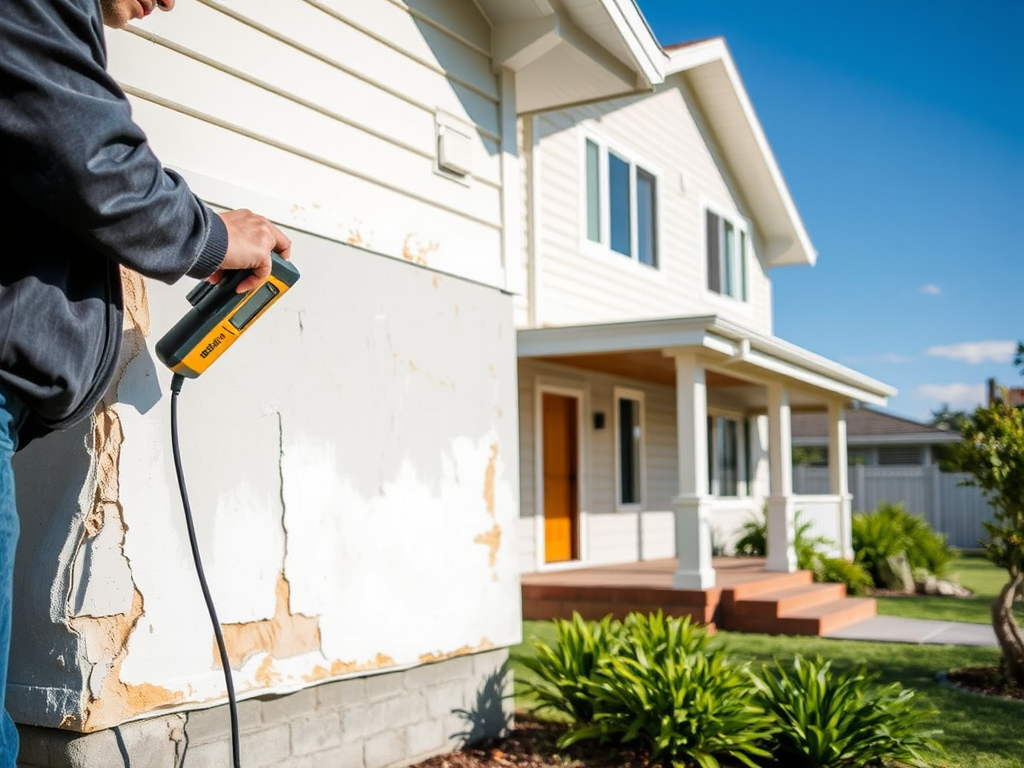
Have you ever experienced the frustration of water damage creeping into your home, turning your sanctuary into a source of stress? Understanding how to identify and address water damage is crucial, especially in areas like the Sunshine Coast, where environmental factors can exacerbate the issue. Let's explore the key signs that indicate your home needs attention.
What You Will Learn
- The impact of humidity, salt air, and heavy rainfall on the structural integrity of homes in the Sunshine Coast.
- Visible indicators of water damage, including water stains, leaks, and cracks in walls and floors.
- When to seek professional help for urgent waterproofing repairs to prevent further damage.
- Practical steps for inspecting your home and maintaining waterproofing measures effectively.
- The importance of understanding local compliance and building standards for waterproofing.
Critical Signs of Water Damage & Remediation Urgency
Understanding visible indicators and the timeline for intervention is crucial for protecting your home on the Sunshine Coast.

Visible Indicators of Urgent Waterproofing Needs
- ✓ Water Stains: Yellow/brown patches on ceilings/walls.
- ✓ Leaks: Even small drips in plumbing areas.
- ✓ Cracks: In walls & floors, structural concern.
- ✓ Bubbling Paint: Moisture under surface.
- ✓ Mold/Mildew: Musty smell & visible growth.
Urgency of Waterproofing Repairs
- Immediate Help: Multiple worsening signs or severe leaks.
- Delayed Costs: Minor leaks escalate to mold remediation, structural/foundation work.
- DIY Inspection: Visual check for stains, gutters, basement moisture.
- Professional Assessment: Specialized equipment for hidden moisture.
Identifying Critical Signs of Water Damage in Sunshine Coast Homes
As a homeowner on the Sunshine Coast, it’s essential to be vigilant about the critical signs of water damage. The unique climate here—with its high humidity, salt air, and heavy rainfall—poses distinct challenges for maintaining the integrity of your home. Understanding how these environmental factors contribute to water damage can be the first step in protecting your property. Let’s dive into what you should be looking for!
Understanding the Impact of Coastal Weather on Your Home
The Sunshine Coast is known for its stunning beaches and sunny disposition, but the coastal weather can be unforgiving on homes. The combination of humidity and salt air can accelerate the deterioration of building materials, making regular maintenance essential. Heavy rains often lead to runoff that can overwhelm gutters, allowing water to pool around your home’s foundation.
- Humidity: High moisture levels can create an ideal environment for mold and mildew.
- Salt Air: This can corrode metal fixtures and compromise roofing materials.
- Heavy Rain: Intense storms increase the risk of flooding and structural damage.
By keeping an eye on these weather-related issues, you can take proactive measures to protect your home from potential water damage. For additional resources on managing water quality and resilience, the U.S. Environmental Protection Agency provides valuable insights.
Visible Indicators of Urgent Waterproofing Needs
When it comes to identifying water damage, being aware of visible indicators can save you from costly repairs down the line. Here are some signs that indicate your home may need urgent waterproofing:
Water Stains and Discoloration
Look for water stains on your ceilings and walls, which can signal a serious moisture problem. These stains often appear as yellowish or brown patches and may indicate leaks from pipes or roofs. If you notice these signs, it’s critical to act quickly!
Leaks and Moisture Intrusion
Check for leaks, especially in areas where plumbing is present, such as kitchens, bathrooms, and laundry rooms. Early detection is key, as even a small leak can lead to significant water damage over time if left unchecked. Remember, the goal is to find these sources before they become bigger issues!
Cracks in Walls and Floors
Visible cracks in your walls and floors should not be ignored. These cracks can compromise the structural integrity of your home and are often an indication of shifting foundations or water accumulation. If you see these cracks, it’s time to consider a professional assessment.
Bubbling and Peeling Paint
When paint begins to bubble or peel, it can be a clear indicator of moisture underneath the surface. This not only looks unsightly but can also lead to more severe structural problems if moisture is allowed to persist. Keep an eye on both the interior and exterior of your home!
Mold and Mildew Growth
Have you noticed a musty smell or visible mold growth? These are serious signs indicating that you probably have a moisture problem that needs immediate attention. Mold can pose health risks to you and your family, making prompt waterproofing repairs essential.
Understanding the Urgency of Waterproofing Repairs
Recognizing the urgency of waterproofing repairs can be the difference between a simple fix and a major overhaul. Let’s look at what to keep in mind when deciding if you need to call for help.
When to Call for Immediate Help
If you spot multiple signs of water damage or if existing issues worsen rapidly, it’s crucial to reach out to a waterproofing specialist. Remember, issues like severe leaks or extensive mold growth require immediate intervention to prevent further damage!
Potential Costs of Delayed Repairs
Neglecting waterproofing can lead to extensive damage and higher repair costs down the line. What might start as a minor leak can quickly escalate into a costly project involving mold remediation, structural repairs, or even foundation work. Don’t let procrastination cost you!
Steps for Inspecting Your Home for Water Damage
Being proactive about inspecting your home can spare you from larger issues. Here are some steps you can take to check for signs of water damage:
DIY Inspection Techniques
Start by conducting a simple visual inspection of your home. Look for water stains, check your gutters, and assess the condition of your exterior walls. Don’t forget to inspect your basement for any signs of moisture or leaks!
Professional Assessment: What to Expect
When you hire a waterproofing professional, they will conduct a thorough assessment of your property. Expect them to use specialized equipment to detect moisture levels and identify potential issues that may not be visible to the naked eye. This expertise is invaluable in ensuring your home remains protected.
Preventive Measures for Long-Term Waterproofing
Taking steps to prevent water damage is just as important as addressing existing issues. Here are some preventive measures you can implement:
Maintaining Gutters and Drainage Systems
Regularly cleaning your gutters and ensuring proper drainage is vital in preventing water from pooling around your home. Blocked gutters can lead to serious water damage, so make maintenance a priority!
Addressing Grading and Landscaping Issues
Ensure that the grading around your home directs water away from the foundation. Poor landscaping can trap moisture, leading to increased risks of water intrusion. You can find more information on water conservation and efficiency practices from the Bureau of Reclamation's WaterSMART program.
The Importance of Sealants and Flashing
Utilizing quality sealants and flashing in vulnerable areas can provide an additional layer of protection against water ingress. Proper installation is key to maximizing these benefits, so consider consulting with a professional.
Understanding Common Foundation Issues and Solutions
Foundation problems can often lead to significant water damage if ignored. By identifying and addressing these issues early, you can protect your home’s structural integrity. Keep an eye out for signs like cracks and shifts in your foundation; these can indicate potential water intrusion risks.
Exploring Waterproofing Solutions for Residential Properties
Knowing the different waterproofing methods available is crucial for homeowners. Options include interior waterproofing systems that focus on wet areas and exterior solutions that protect against surface water. By understanding these options, you can make informed choices to safeguard your home effectively.
Pro Tip
To further safeguard your home against water damage, consider investing in a regular maintenance routine that includes checking your gutters and downspouts at least twice a year. This simple step can prevent clogs and ensure proper drainage, significantly reducing the risk of water pooling around your home's foundation.
Taking Action: Your Next Steps for Waterproofing
After identifying signs of water damage in your home, the next step is to take decisive action. It's crucial to ensure that your property remains protected from further moisture intrusion. Choosing the right waterproofing professional is key to safeguarding your investment and ensuring compliance with local regulations.
Frequently Asked Questions About Water Damage and Waterproofing
- What are the critical signs of water damage I should look for?
- You should look for water stains (yellow/brown patches), leaks (even small drips), cracks in walls and floors, bubbling or peeling paint, and the presence of mold or mildew, especially if accompanied by a musty smell.
- How does coastal weather on the Sunshine Coast affect homes?
- High humidity and salt air can accelerate the deterioration of building materials, while heavy rainfall can overwhelm gutters, leading to water pooling around foundations and increasing the risk of flooding and structural damage.
- When should I call a professional for waterproofing repairs?
- You should call a professional immediately if you observe multiple worsening signs of water damage, severe leaks, or extensive mold growth. Prompt intervention can prevent more costly and extensive damage.
- What are some DIY inspection techniques for water damage?
- Perform a visual inspection for water stains, check your gutters for blockages, assess the condition of exterior walls, and inspect your basement for any signs of moisture or leaks.
- What preventive measures can I take to avoid water damage?
- Regularly clean and maintain your gutters and drainage systems, ensure proper grading and landscaping to direct water away from the foundation, and use quality sealants and flashing in vulnerable areas of your home.
- Why is understanding local compliance and building standards important for waterproofing?
- Adhering to local compliance and building standards, such as AS 3740 for wet areas, ensures your waterproofing solutions are legally compliant, effective, and properly installed, protecting your home and avoiding potential legal issues.
Choosing the Right Waterproofing Professional
When searching for qualified local contractors in the Sunshine Coast area, consider the following tips to make an informed choice:
- Experience and Specialization: Look for professionals with experience specifically in waterproofing. At Waterproofing Solutions Sunshine Coast, we focus on tailored solutions for the unique climate in this region.
- Licensing and Insurance: Ensure that the contractor is properly licensed and insured to protect yourself from liability.
- Customer Reviews: Check online reviews and testimonials to gauge the satisfaction of previous clients.
- Free Consultations: Opt for contractors who offer free consultations to discuss your needs and assess your property.
By following these tips, you can feel confident in selecting a contractor who will address your waterproofing needs effectively.
Understanding Local Compliance and Building Standards
Waterproofing your home in the Sunshine Coast requires adherence to specific local compliance and building standards. Familiarize yourself with the following regulations:
- Australian Standards: Ensure that your waterproofing solutions comply with AS 3740, which covers waterproofing of wet areas.
- Building Codes: Be aware of local building codes that govern construction practices and materials used in waterproofing.
- Permitting Requirements: Some waterproofing projects may require permits; always check with local authorities before starting work.
Staying informed about these regulations not only helps you avoid legal complications but also ensures your home is protected adequately.
Importance of Homeowners Insurance for Water Damage
Having robust homeowners insurance is essential for protecting against the unexpected costs related to water damage and repairs. Here’s why it’s important:
- Coverage for Repairs: Insurance can cover the costs associated with repairs from water damage, depending on your policy.
- Peace of Mind: Knowing you’re financially protected against unforeseen incidents provides a sense of security.
- Liability Protection: In case water damage affects neighbors or common areas, insurance can help handle liability claims.
Review your policy regularly to ensure it meets your needs, especially after any waterproofing work. For more information on federal funding and support for water infrastructure resilience, you can refer to congressional research on funding water sector resilience.
Emergency Repairs: When Immediate Action is Needed
Sometimes, water damage demands immediate attention. Here are some situations when emergency waterproofing repairs should be prioritized:
- Significant Leaks: If you detect a major leak, act quickly to prevent further damage.
- Mold Growth: The presence of mold can pose health risks, necessitating immediate remediation.
- Structural Damage: If water has compromised the structural integrity of your home, urgent repairs are critical.
Don’t delay in reaching out to a waterproofing expert if you experience any of these scenarios.
Utilizing Advanced Leak Detection Technologies
Modern leak detection technologies offer homeowners a proactive approach to preventing water damage. Consider these options:
- Thermal Imaging: This technology detects temperature differences on surfaces, helping identify hidden leaks.
- Moisture Meters: Used to measure moisture levels in walls and floors, indicating potential problem areas.
- Acoustic Leak Detection: This method listens for sounds made by leaking water, especially in hard-to-reach areas.
Investing in these technologies can save you from costly repairs down the line and enhance your home's waterproofing strategy.
Recap of Key Points
Here is a quick recap of the important points discussed in the article:
- Be vigilant for visible signs of water damage such as water stains, leaks, and cracks in walls or floors.
- Regular maintenance, including cleaning gutters and addressing landscaping issues, is essential to prevent water pooling.
- Utilize quality sealants and flashing to enhance waterproofing and protect vulnerable areas of your home.
- Understand local compliance and building standards to ensure your waterproofing solutions are legally compliant.
- Consider advanced leak detection technologies to proactively identify potential moisture issues.
- Having robust homeowners insurance can provide essential coverage for repairs related to water damage.
