Waterproofing Membranes for Australian Bathrooms
What if the seemingly simple task of waterproofing your bathroom could save you thousands in potential repairs? Understanding this critical aspect of home maintenance is vital for homeowners and builders alike.
What You Will Learn
- Waterproofing membranes act as a barrier against moisture, protecting your home from water damage.
- There are two main types of membranes: sheet membranes for large areas and liquid membranes for complex shapes.
- Proper waterproofing is crucial in preventing mold growth and structural damage, enhancing the longevity of your bathroom.
- Eco-friendly waterproofing options are available, utilizing recycled materials and non-toxic substances to minimize environmental impact.
- Understanding the costs associated with waterproofing, including materials and labor, is essential for effective budgeting.
- Regular maintenance and inspections can significantly extend the life of your waterproofing system.
Waterproofing Membrane Comparison and Cost Factors
Understanding the types of waterproofing membranes and the associated costs is crucial for effective bathroom design and maintenance. Below is a comparison of membrane types and a breakdown of typical expenses.
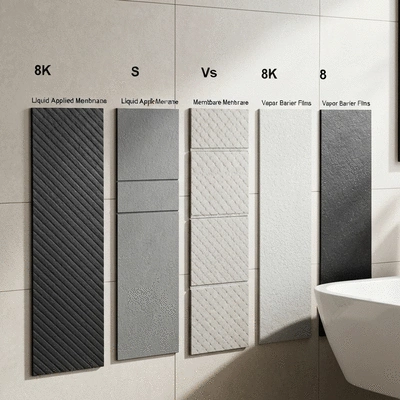
Membrane Types: Sheet vs. Liquid
Durable, easy install, large areas. (Pre-manufactured rolls)
Seamless, complex shapes, tight spaces. (Applied fluid)
Choose based on layout complexity.
Cost Breakdown: Budgeting for Waterproofing
Get multiple quotes for fair pricing.
DIY vs. Professionals: Trade Insights
Lower upfront cost, but high risk of costly errors and non-compliance.
Ensures compliance, quality, and long-term value, peace of mind.
Consider skill level and job importance.
Maintenance: Re-Sealing & Warranty
Re-seal every 3-5 years (usage dependent).
Check requirements; keep maintenance records.
Professional advice ensures system longevity.
Understanding Waterproofing Membranes for Australian Bathrooms
As a waterproofing specialist, I often hear questions about waterproofing membranes and their critical role in safeguarding Australian bathrooms. These membranes serve as the first line of defense against water damage, protecting your home from the costly effects of moisture intrusion. If you've ever experienced dampness or mold in a bathroom, you understand how vital it is to get this aspect right!
In short, waterproofing membranes are barrier materials that prevent water from seeping into walls, floors, and other structures. They can be found in various forms, including sheets or sprays, and are essential during bathroom construction or renovations. Understanding these materials is the first step towards creating a safe and durable wet area in your home.
What Are Waterproofing Membranes?
Waterproofing membranes are materials designed to repel water, protecting surfaces from moisture. They come in two main types: sheet membranes and liquid membranes. Sheet membranes are pre-manufactured rolls that are adhered to surfaces, while liquid membranes are applied in a fluid state that cures to form a seamless barrier. Both serve the same purpose, but they offer different applications based on your specific needs.
- Sheet Membranes: Durable and easy to install, suitable for larger areas.
- Liquid Membranes: Ideal for complex shapes and tight spaces, providing seamless protection.
Choosing the right type of membrane is crucial to ensure effective waterproofing in your bathroom. Think about the unique layout and design of your space—it can influence which type will work best for you!
Importance of Waterproofing in Bathroom Design
Bathroom design isn't just about aesthetics; it's about functionality too! The importance of waterproofing cannot be overstated. Properly installed membranes help prevent issues like mold growth, structural damage, and costly repairs. Trust me, as someone who has seen the aftermath of neglecting waterproofing, investing in quality membranes is a no-brainer!
- Protects against severe water damage and leaks.
- Increases the longevity of your bathroom surfaces.
- Enhances overall property value by ensuring compliance with building standards.
By focusing on waterproofing in your bathroom design, you're safeguarding your investment and ensuring comfort for years to come.
Exploring Eco-Friendly Waterproofing Membranes for Sustainable Choices
In today's world, eco-friendliness is a significant consideration in construction and renovation. Many homeowners are looking for sustainable options that not only protect their homes but also have a reduced impact on the environment. Fortunately, there are eco-friendly waterproofing membranes available that meet these criteria.
- Recycled Materials: Some membranes are made from recycled plastics, minimizing waste.
- Non-Toxic Options: Look for products that are free from harmful chemicals, ensuring a healthier living environment.
- Long-lasting Durability: Eco-friendly membranes often offer the same, if not better, performance compared to traditional options.
By choosing eco-friendly waterproofing membranes, you're not only protecting your home but also making a positive impact on our planet. It's a win-win!
Navigating Australian Compliance and Standards for Bathrooms
When it comes to waterproofing in Australian bathrooms, compliance with local standards is essential. Let's explore the key regulations and guidelines that ensure your waterproofing project adheres to necessary legal requirements. The National Construction Code (NCC) provides comprehensive guidelines for wet area waterproofing, detailing specific requirements to ensure health and amenity. Additionally, resources like Industry Bulletin 134 from the Western Australian government offer insights into improving compliance in wet areas.
Pro Tip
When selecting a waterproofing membrane, consider the specific conditions of your bathroom, such as humidity levels and exposure to water. For areas with high moisture, a liquid membrane may provide better coverage, while sheet membranes are perfect for larger, flat surfaces. Always consult with a waterproofing expert to ensure you make the best choice for your home!
Cost Considerations for Bathroom Waterproofing
When it comes to waterproofing your bathroom, understanding the costs involved is essential for effective budgeting. You might find yourself wondering, what are the typical expenses associated with this critical home improvement project? From materials to labor, let’s break down the various factors that contribute to the overall cost of waterproofing.
Here’s a quick overview of what you can expect:
- Material Costs: This includes the price of waterproof membranes, primers, and other essential supplies.
- Labor Costs: Professional installation can vary based on the complexity of the job and local rates.
- Additional Expenses: Don’t forget about potential costs for surface preparation and any unforeseen repairs.
By considering these factors, you can create a realistic budget that ensures your bathroom is well protected from water damage!
Pricing Breakdown: What to Expect When Budgeting
When planning your waterproofing project, a detailed pricing breakdown can help you avoid any surprises. Here’s an outline of the key costs you should consider:
- Materials: Depending on the type of membrane, you might spend between $30 to $100 per square meter.
- Professional Labor: Installation costs can range from $50 to $80 per hour, depending on the contractor’s expertise.
- Surface Preparation: If additional work is needed to prepare the surface, expect to add another $200 to $500 to your budget.
It's vital to get quotes from multiple contractors to find a fair price that fits your budget while ensuring quality work!
Trade Insights: DIY vs. Hiring Professionals
So, should you tackle bathroom waterproofing yourself or hire a professional? It’s a common dilemma for homeowners! While DIY projects can save money, they come with risks, especially in a crucial area like waterproofing. Here are some insights:
- Cost Savings: DIY can be cheaper upfront, but mistakes can lead to costly repairs down the line.
- Skill Level: If you’re not experienced, it’s easy to overlook important steps that ensure compliance with standards.
- Long-Term Value: Hiring a professional ensures the job meets local regulations and standards, providing peace of mind.
At Waterproofing Solutions Sunshine Coast, we often advise clients to consider their skill levels and the importance of the waterproofing job before deciding. After all, a well-done job can save you money in the long run!
Cost-Effective Waterproofing Options for Homeowners
Looking for ways to reduce costs without compromising quality? There are several cost-effective waterproofing solutions available! Here are some options:
- Use of Affordable Membranes: Choose high-quality yet budget-friendly membranes designed for residential use.
- Regular Maintenance: Implement a maintenance schedule to extend the life of your waterproofing system.
- Eco-Friendly Options: Consider sustainable materials that often come with government rebates.
By incorporating these cost-effective strategies, homeowners can ensure their bathrooms stay dry and protected while keeping their budgets in check!
Maintaining Waterproofing Integrity Over Time
Maintaining the integrity of your waterproofing system is just as crucial as the initial installation. Over time, wear and tear can compromise your bathroom's protection. What signs should you look for? Let's explore that!
Signs Your Bathroom Waterproofing Needs Attention
Being vigilant about the condition of your waterproofing can save you from significant headaches. Here are key indicators that it might be time for a check-up:
- Visible Mold or Mildew: These are clear signs of moisture issues.
- Water Stains: Discoloration on walls or ceilings can indicate water seepage.
- Peeling Paint or Wallpaper: This often occurs when moisture is trapped behind the surface.
If you notice any of these signs, it’s crucial to act quickly! A timely intervention can prevent more extensive damage and costly repairs down the line.
Re-Sealing Intervals and Warranty Considerations
Part of maintaining your waterproofing system includes knowing when to re-seal! Most experts recommend re-sealing every 3 to 5 years, depending on your bathroom's usage and conditions. Here are some warranty considerations:
- Check Your Warranty: Many membranes come with warranties that specify maintenance requirements.
- Documentation: Keep records of any maintenance done to ensure warranty validity.
- Seek Professional Advice: Consult with a waterproofing expert, like us at Waterproofing Solutions Sunshine Coast, for tailored advice.
Staying informed about these intervals can help extend the lifespan of your waterproofing system!
Maintenance Tips for Long-lasting Waterproofing Solutions
To keep your waterproofing solutions performing effectively, implementing a few simple maintenance tips can go a long way. Here are key practices to consider:
- Regular Inspections: Check for cracks, peeling, or signs of leakage at least twice a year.
- Keep Drains Clear: Ensure that all drains and outlets are free from obstructions to promote proper water flow.
- Use Gentle Cleaners: Avoid harsh chemicals that could degrade waterproofing materials over time.
By following these maintenance tips, you can enjoy peace of mind knowing your bathroom is safeguarded against water damage for years to come!
Frequently Asked Questions About Bathroom Waterproofing
- What are the two main types of waterproofing membranes?
- The two main types are sheet membranes (pre-manufactured rolls for large areas) and liquid membranes (fluid applied for seamless protection in complex shapes).
- Why is proper waterproofing important in bathroom design?
- Proper waterproofing prevents mold growth, structural damage, costly repairs, increases the longevity of surfaces, and enhances property value by ensuring compliance with building standards.
- Are there eco-friendly waterproofing options available?
- Yes, eco-friendly membranes are available, often made from recycled materials and free from harmful chemicals, offering sustainable protection.
- What are the typical costs associated with bathroom waterproofing?
- Costs include materials ($30-$100 per sq. meter), professional labor ($50-$80 per hour), and surface preparation ($200-$500 additional). It's recommended to get multiple quotes.
- How often should bathroom waterproofing be re-sealed?
- Most experts recommend re-sealing every 3 to 5 years, depending on usage and conditions. It's also important to check warranty requirements and keep maintenance records.
- What are signs that my bathroom waterproofing needs attention?
- Key indicators include visible mold or mildew, water stains on walls or ceilings, and peeling paint or wallpaper.
Final Thoughts on Selecting the Right Waterproofing Membrane
Choosing the right waterproofing membrane is a significant decision that impacts the longevity and safety of your bathroom. As you evaluate your options, remember these key takeaways that can guide you:
Key Takeaways for Homeowners and Builders
As a homeowner, understanding the various aspects of waterproofing can help you make informed decisions. Here’s a quick recap:
- Invest in Quality: Prioritize high-quality membranes that comply with Australian standards. Research on the performance of different materials, such as insights from studies on waterproofing materials, can be beneficial.
- Consider Professional Expertise: Hiring professionals can ensure compliance and quality installation.
- Be Proactive About Maintenance: Regular checks and maintenance can save you from future headaches.
These takeaways can help ensure that your bathroom remains a safe and dry space for years to come.
Encouragement to Invest in Quality Waterproofing Solutions
In the end, investing in quality waterproofing solutions is not just about cost; it’s about protecting your home and your peace of mind! Remember, a little investment now can save you a lot of money and stress in the future. At Waterproofing Solutions Sunshine Coast, we’re committed to providing you with the best waterproofing options tailored to your needs. So, why wait? Reach out today, and let’s safeguard your bathroom together!
Recap of Key Points
Here is a quick recap of the important points discussed in the article:
- Types of Membranes: Understand the difference between sheet and liquid membranes to choose the right one for your bathroom layout.
- Importance of Waterproofing: Proper installation prevents mold growth, structural damage, and enhances property value.
- Eco-Friendly Options: Consider sustainable waterproofing membranes made from recycled materials and non-toxic options.
- Cost Considerations: Be aware of material, labor, and potential additional costs when budgeting for waterproofing.
- Maintenance is Key: Regular inspections and timely re-sealing can extend the lifespan of your waterproofing system.