Bathroom Leak Repairs Sunshine Coast
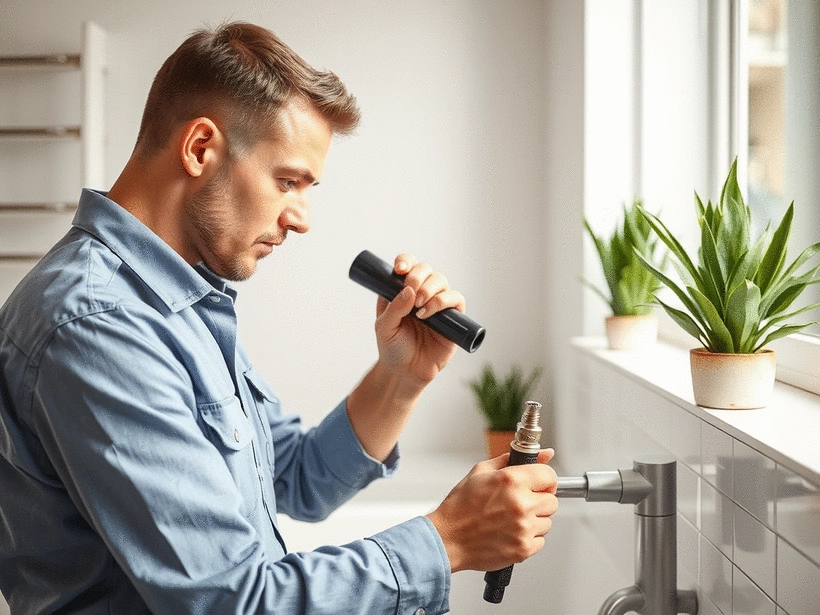
A bathroom leak should not be ignored. Water escaping from a shower, plumbing connection or damaged waterproofing can affect surrounding materials if the source is left unresolved. Identifying the cause early can help prevent further water damage and determine whether a plumbing repair, waterproofing repair or both are required.
Bathroom Leak Repairs on the Sunshine Coast
Bathroom leaks can develop in areas that are difficult to see, including behind tiled walls, around shower bases and near plumbing connections. The first step is identifying where the water is coming from rather than simply treating the visible symptom.
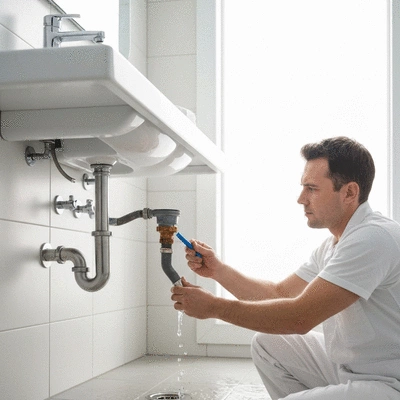
Why Bathroom Leaks Need Prompt Attention
A small leak can continue to introduce moisture into surrounding building materials. Depending on the location and extent of the leak, ongoing moisture may contribute to damaged finishes, mould or deterioration of affected areas.
Common warning signs include:
- Damp or discoloured areas around the bathroom
- Water appearing outside the shower area
- Musty smells or visible mould
- Loose or damaged tiles
- Moisture around plumbing fixtures or connections
- Water appearing in an adjoining room
If you are unsure whether the problem is related to waterproofing, our Sunshine Coast residential waterproofing guide provides further information about common waterproofing issues.
Common Causes of Bathroom Leaks
Several different problems can result in water escaping from a bathroom. Common areas to investigate include:
- Shower bases: Cracks, movement or failed sealing can allow water to escape.
- Grout and joints: Damaged or deteriorated areas can allow moisture to enter where they should remain sealed.
- Plumbing connections: Leaking pipes, fittings or connections can introduce water independently of the waterproofing system.
- Waterproofing: A failed or damaged waterproofing system can allow moisture to move beyond the intended wet area.
Because these problems can produce similar symptoms, the visible location of the water does not always identify the original source.
Bathroom Leak Detection
Where the source of a leak is not immediately obvious, different diagnostic methods may help narrow down the affected area. The approach depends on the type of leak and the construction of the bathroom.
- Pressure testing: Can help assess plumbing systems where a pipe or connection may be leaking.
- Moisture measurements: Can help identify areas where moisture has accumulated.
- Thermal imaging: May help identify temperature differences associated with hidden moisture.
- Flood testing: Can be relevant when investigating certain shower or wet-area waterproofing problems.
- Video inspection: May be useful for examining accessible sections of pipework.
Not every leak requires every diagnostic method. The appropriate approach depends on the symptoms and the suspected source.
When a Bathroom Leak Is a Waterproofing Problem
If plumbing is functioning correctly but water is escaping from a shower or wet area, the waterproofing system may need to be investigated. Problems can occur around floor and wall junctions, corners, penetrations, shower bases and other areas where water needs to be contained.
In some situations, repairing the visible seal or grout may not address the underlying problem. The extent of the affected waterproofing needs to be considered before deciding on the appropriate repair.
For information about problems that can affect waterproofing work, see our guide to common waterproofing mistakes.
What Happens During a Bathroom Leak Repair?
The repair process depends on the source of the leak. A typical assessment involves:
- Inspection: Examine the bathroom and surrounding areas for visible signs of water ingress.
- Source identification: Determine whether the issue appears to involve plumbing, waterproofing or another building element.
- Targeted testing: Use appropriate testing where the source cannot be confirmed visually.
- Repair: Address the identified plumbing, sealing or waterproofing problem.
- Follow-up: Check the repaired area as appropriate to confirm the original issue has been addressed.
Frequently Asked Questions About Bathroom Leak Repairs
- Q: What are the most common causes of bathroom leaks?
- A: Common causes include problems with shower bases, damaged grout or joints, leaking plumbing connections and failed or damaged waterproofing.
- Q: Can a bathroom leak come from behind the tiles?
- A: Yes. Water can sometimes escape from areas behind or beneath finished surfaces, particularly where plumbing or waterproofing has been compromised.
- Q: How can a hidden bathroom leak be detected?
- A: Depending on the suspected source, inspection may include moisture measurements, pressure testing, thermal imaging, flood testing or video inspection.
- Q: Does every bathroom leak require waterproofing repairs?
- A: No. Some leaks are caused by plumbing or other components. The source should be identified before determining whether waterproofing work is required.
- Q: What should I do if I notice water outside my shower?
- A: Limit water use in the affected area where practical and arrange an inspection to identify the source before the problem becomes more extensive.
Bathroom Leak Repairs on the Sunshine Coast
Finding the source of a bathroom leak is important because the visible water may not be coming from the area where the underlying problem started. Prompt assessment can help determine whether the issue involves plumbing, waterproofing or another part of the bathroom.
Contact us on 0419 136 537.