Wet Areas Waterproofing Sunshine Coast QLD
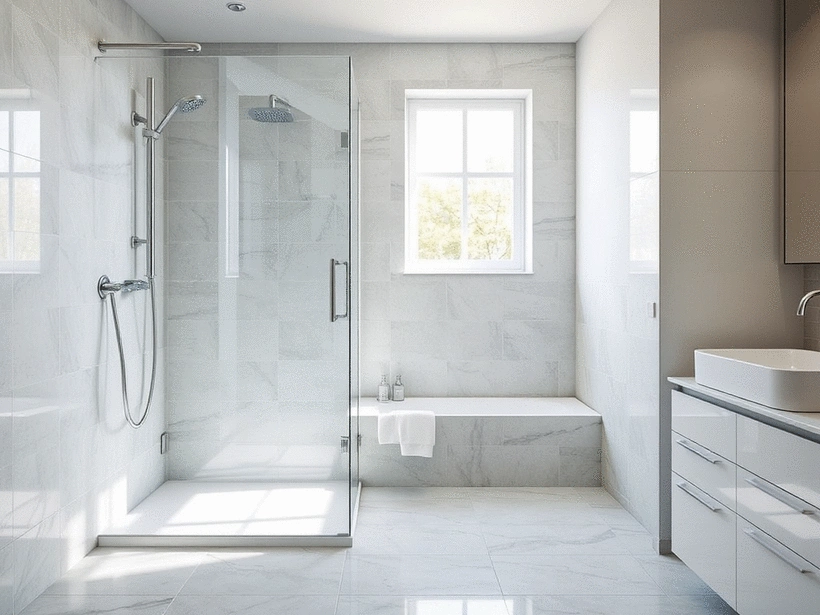
Wet Area Waterproofing on the Sunshine Coast
Wet areas such as bathrooms, showers, laundries and balconies are regularly exposed to moisture. Effective waterproofing helps prevent water from penetrating surrounding surfaces and causing damage that may become more difficult to repair over time.
What Is Wet Area Waterproofing?
Wet area waterproofing involves applying suitable membranes, coatings or other waterproofing products to areas exposed to water. The system needs to suit the particular area, surface and level of moisture exposure.
For a broader overview, see our residential waterproofing guide for the Sunshine Coast.
Common Wet Area Waterproofing Problems
Waterproofing problems can occur in several areas of a home. Common issues covered by wet area waterproofing include:
- Leaking showers caused by damaged or deteriorated sealing
- Water entering around bathroom and laundry areas
- Water pooling on balconies
- Moisture buildup caused by inadequate ventilation
- Water penetration through inadequately protected surfaces
Shower Waterproofing
Showers are exposed to frequent water and require appropriate protection around floors, walls, joints and other vulnerable areas. Signs such as dampness or water staining outside the shower can indicate that further investigation is required.
Depending on the condition of the area, repairs may involve resealing joints and fittings, repairing damaged surfaces or installing an appropriate waterproofing membrane.
Our guide to common waterproofing mistakes to avoid covers some of the problems that can contribute to waterproofing failures.
Balcony Waterproofing
Balconies are another area where water needs to be properly managed. Water pooling can place additional pressure on waterproofing systems and may contribute to deterioration of surrounding surfaces.
Important considerations include the condition of the existing waterproofing system, appropriate drainage and signs of surface deterioration. Regular inspection can help identify problems before water penetration becomes more extensive.
Bathrooms and Laundries
Bathrooms and laundries experience regular exposure to water and humidity. Waterproofing systems should be appropriate for the areas being protected, while adequate ventilation can help manage moisture within the room.
Where moisture is already present, it is important to identify its source rather than simply treating the visible symptoms. The appropriate solution may involve waterproofing repairs, surface repairs or improvements to drainage or ventilation.
Waterproofing Products and Membranes
Different waterproofing products are available for different applications. Membrane systems, coatings and sealants can be used depending on the surface and the requirements of the project.
When selecting a waterproofing system, factors to consider include:
- Whether the application is internal or external
- The condition and type of the surface
- Expected moisture exposure
- The flexibility and durability required
- Whether the product is suitable for the intended application
Epoxy coatings and sealants are also used in some applications where their adhesion, durability and resistance properties are appropriate.
Drainage and Ventilation
Waterproofing works alongside effective drainage and moisture management. Drainage helps prevent water from accumulating in vulnerable areas, while adequate ventilation can reduce moisture buildup in enclosed spaces.
For properties with subfloor areas, keeping ventilation pathways clear and checking for excessive moisture can help identify conditions that may contribute to dampness.
When Wet Area Waterproofing Needs Attention
Signs that a wet area may require investigation include:
- Dampness or water staining outside a shower
- Water pooling on a balcony
- Persistent moisture in bathrooms or laundries
- Deteriorating grout, sealants or surrounding surfaces
- Visible signs of water penetration
Early investigation can help establish whether the problem is related to waterproofing, drainage, surface deterioration or another source.
Frequently Asked Questions
What areas require wet area waterproofing?
Common areas include showers, bathrooms, laundries and balconies, depending on their exposure to water and the construction of the property.
What causes leaking showers?
Leaking showers can be associated with deteriorated sealing, damaged surfaces or problems with the waterproofing system.
What waterproofing products are available?
Depending on the application, waterproofing systems can include membranes, coatings and sealants. The appropriate product depends on the surface and the conditions of the project.
Does ventilation help with moisture control?
Yes. Adequate ventilation helps manage humidity and moisture buildup, particularly in enclosed areas such as bathrooms and laundries.
What should I do if I notice water damage?
Investigate the source of the moisture rather than only treating the visible damage. Depending on the cause, waterproofing repairs, surface repairs or drainage improvements may be required.
Wet Area Waterproofing on the Sunshine Coast
If you have noticed leaking, dampness, water staining or moisture problems in a bathroom, laundry, shower or balcony, identifying the cause is an important first step. The appropriate waterproofing solution will depend on the affected area and condition of the existing surfaces.
Contact us on 0419 136 537.