Shower Waterproofing Sunshine Coast QLD
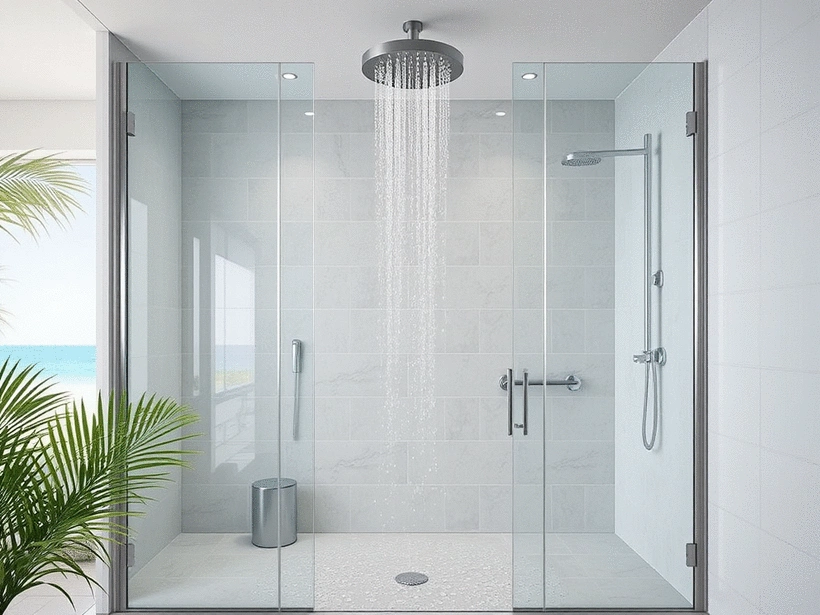
Shower waterproofing helps prevent water from escaping the shower area and entering surrounding walls, floors and other building materials. On the Sunshine Coast, moisture, regular shower use and natural wear can contribute to problems with seals, joints and waterproofing systems over time.
Shower Waterproofing on the Sunshine Coast
A properly waterproofed shower is designed to contain water within the wet area. Waterproofing can involve membranes, appropriate sealing and careful detailing around corners, joints, penetrations and drainage points.

Common Causes of Shower Leaks
Shower leaks can develop for several reasons. Common areas to investigate include:
- Cracked or deteriorated grout and tile joints
- Worn silicone seals around fixtures
- Problems with shower bases or floor junctions
- Damaged or incorrectly installed waterproofing membranes
- Issues around plumbing penetrations
- Drainage problems that allow water to remain on the shower floor
The visible location of water does not always identify the original source. A leak appearing outside the shower may originate from behind the finished surface or from plumbing rather than the waterproofing itself.
Signs Your Shower May Be Leaking
Early warning signs can include:
- Water stains on walls or ceilings
- Damp or musty smells
- Mould or mildew around the shower
- Warped or deteriorating flooring
- Loose or damaged tiles
- Water appearing outside the shower area
If you notice these symptoms, investigating the source early can help prevent the affected area from becoming more extensive.
For further information about identifying waterproofing problems, see our guide to urgent signs for waterproofing repairs.
Waterproofing Membranes for Showers
Waterproofing membranes form an important part of a shower waterproofing system. Depending on the construction and project requirements, different membrane types may be suitable.
- Liquid-applied membranes: Applied to prepared surfaces to create a continuous waterproofing layer.
- Sheet membranes: Pre-formed membranes that can be used on suitable shower surfaces.
- Cementitious membranes: Cement-based waterproofing systems that may be suitable for particular applications.
The membrane itself is only one part of the system. Surface preparation and correct detailing around corners, joints, penetrations and drainage points are also important.
Moisture Control in the Bathroom
Good ventilation and moisture management can help reduce ongoing humidity within a bathroom. Keeping the area adequately ventilated can also help surfaces dry between uses.
Moisture control does not replace waterproofing, but it can form part of maintaining a bathroom where water and humidity are regularly present.
When Shower Waterproofing Needs Repair
If a shower is leaking, simply replacing visible silicone or grout may not resolve the underlying problem. Where water has penetrated beyond the finished surface, the waterproofing system may need to be assessed.
The appropriate repair depends on the source and extent of the problem. Our guide to common waterproofing mistakes explains some of the issues that can affect waterproofing performance.
Shower Waterproofing and Queensland Requirements
For bathroom renovations or new shower installations, waterproofing requirements can depend on the scope and construction of the project. Where structural or other building work is involved, additional requirements may apply.
Rather than assuming that every bathroom project has the same requirements, the specific scope of work should be considered when determining what approvals, standards or other requirements apply.
Frequently Asked Questions About Shower Waterproofing
- Q: What is shower waterproofing?
- A: Shower waterproofing is the installation of a waterproof barrier system designed to prevent water from escaping the shower area and entering surrounding building materials.
- Q: What causes shower leaks?
- A: Common causes include damaged grout, worn seals, problems around shower bases or penetrations, drainage issues and damaged or incorrectly installed waterproofing.
- Q: What are the signs of a leaking shower?
- A: Water stains, damp smells, mould, damaged flooring, loose tiles and water appearing outside the shower can all indicate that further investigation may be required.
- Q: Can replacing silicone fix a leaking shower?
- A: It can address a failed seal in some situations, but it will not necessarily resolve a leak caused by plumbing or a failed waterproofing system.
- Q: How long does shower waterproofing last?
- A: The source material does not provide a reliable fixed lifespan for shower waterproofing. Service life can depend on the system used, installation, bathroom conditions and ongoing maintenance.
- Q: When should I consider professional shower waterproofing?
- A: Professional assessment is particularly useful when there is persistent water ingress, suspected membrane failure or a bathroom renovation requiring new waterproofing.
Shower Waterproofing on the Sunshine Coast
Effective shower waterproofing involves more than sealing the visible surfaces. The condition of the substrate, waterproofing membrane, joints, penetrations and drainage all need to be considered when investigating a shower that is leaking or being renovated.
Contact us on 0419 136 537.