Apartments Waterproofing Sunshine Coast QLD
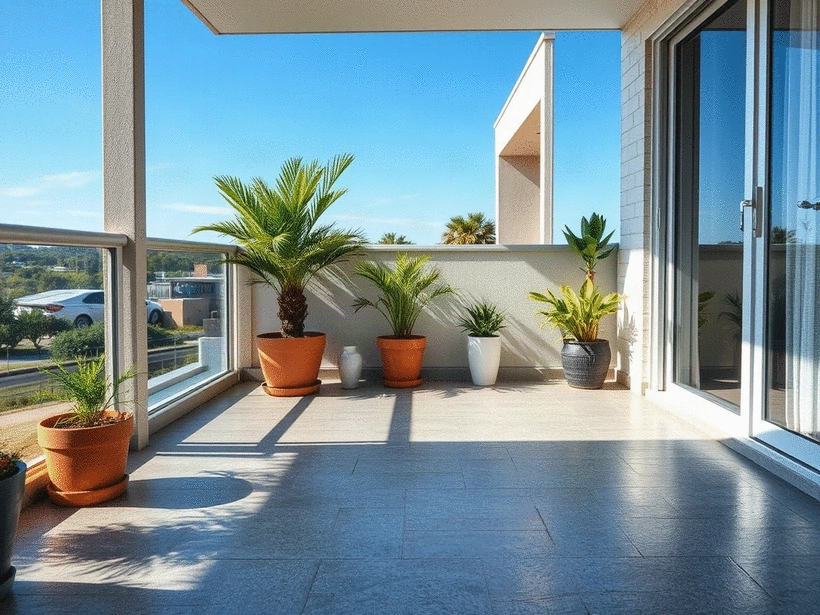
Apartment waterproofing helps protect bathrooms, laundries, balconies, roofs and other moisture-prone areas from water ingress. In multi-unit buildings, leaks can also affect adjoining apartments or common areas, making early investigation important when signs of moisture appear.
Apartment Waterproofing on the Sunshine Coast
Waterproofing creates a barrier that helps prevent water from penetrating building surfaces. In apartments, this can be particularly important in areas such as bathrooms, laundries, balconies and roof structures.
Water ingress can result in staining, damaged finishes, deterioration of building materials and persistent moisture. Identifying the source early can help determine whether the problem is related to waterproofing, plumbing, drainage or another part of the building.
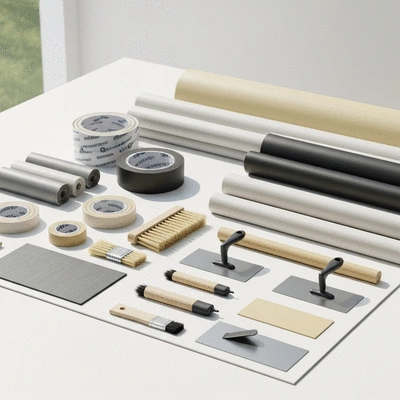
Common Causes of Water Damage in Apartments
Water can enter an apartment or building through a number of different areas. Common sources include:
- Leaking pipes: Damaged or deteriorated plumbing can allow water to enter walls, floors or ceilings.
- Roof leaks: Water entering through a roof can affect upper-level apartments and internal areas.
- Window seals: Failed or deteriorated seals can allow moisture to enter around windows.
- Balconies: Waterproofing or drainage problems can allow water to penetrate surrounding building surfaces.
- Wet areas: Failed waterproofing in bathrooms and laundries can allow moisture to migrate into adjoining areas.
Signs of an Apartment Waterproofing Problem
Some waterproofing problems become visible before more extensive damage occurs. Signs to watch for include:
- Peeling or deteriorating paint
- Bubbling or blistering surfaces
- Musty or persistent damp smells
- Water stains on walls or ceilings
- Damp patches around bathrooms, balconies or windows
These signs do not necessarily confirm a waterproofing failure, as plumbing leaks and other sources of moisture can produce similar symptoms. Identifying where the water is coming from is an important first step.
For more information about warning signs, see our guide to urgent signs for waterproofing repairs.
Apartment Waterproofing and Drainage
Waterproofing and drainage work together to manage moisture around a building. Gutters, downpipes and other drainage components should be kept clear and functioning properly so water is directed away from the building.
Balconies and other exposed areas also need appropriate drainage so water does not remain against waterproofed surfaces. Where water continues to accumulate, the drainage arrangement may need to be investigated as part of the overall waterproofing assessment.
Preparing for Apartment Waterproofing
Before waterproofing work begins, the affected area should be inspected to identify visible damage and determine the likely source of moisture.
- Remove furniture and belongings from the affected area.
- Identify visible stains, damp areas or surface deterioration.
- Check for cracks or damaged surfaces that may require preparation or repair.
- Where the property is part of a multi-unit building, discuss access and potential impacts with relevant neighbours or building management.
Good surface preparation is also important. Dust, debris, damaged coatings and unsuitable existing materials may need to be removed before a new waterproofing system is applied.
Apartment Waterproofing and Strata Responsibility
Responsibility for a leak in an apartment can depend on where the problem originates and whether the affected area is part of an individual lot or a common area. Roofs, shared services and other common building elements may involve the body corporate, while problems within an individual apartment may fall to the unit owner.
The relevant strata or body corporate arrangements should be checked before repair work is organised, particularly where the source of the leak is unclear or may involve shared building components.
Apartment Waterproofing FAQs
What is apartment waterproofing?
Apartment waterproofing involves using waterproof barriers and related systems to help prevent water from penetrating areas such as bathrooms, laundries, balconies and other moisture-prone parts of a building.
What are common signs of waterproofing problems?
Peeling paint, bubbling surfaces, musty smells, water staining and damp areas can indicate moisture problems. These symptoms can also have other causes, so the source should be investigated before waterproofing repairs are undertaken.
Who is responsible for an apartment leak?
Responsibility depends on the source and location of the leak and the applicable strata arrangements. The unit owner or body corporate may be responsible depending on whether the affected area is private or common property.
Does every apartment leak require waterproofing?
No. A leak may be caused by plumbing, roofing, window seals, drainage or waterproofing failure. An assessment can help identify the likely source before repair work is selected.
How can apartment water problems be reduced?
Regular inspection of wet areas, balconies, drainage components, roofs and visible seals can help identify developing problems. Addressing signs of water ingress early can also reduce the risk of more extensive damage.
Apartment Waterproofing on the Sunshine Coast
Waterproofing problems in apartments can involve individual wet areas, balconies, roofs, plumbing interfaces or shared building components. Identifying the source of moisture and assessing the affected surfaces is important before selecting a repair or waterproofing system.
For more information, see our Sunshine Coast residential waterproofing guide and our guide to common waterproofing mistakes.
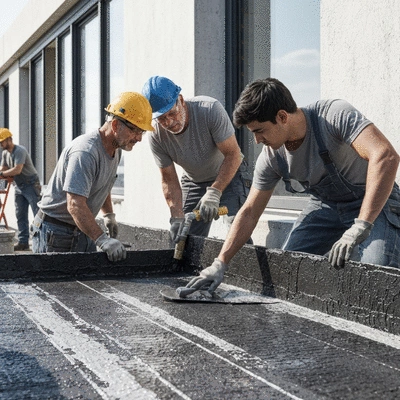
Contact us on 0419 136 537.