Waterproofing Solutions for Sunshine Coast Homes
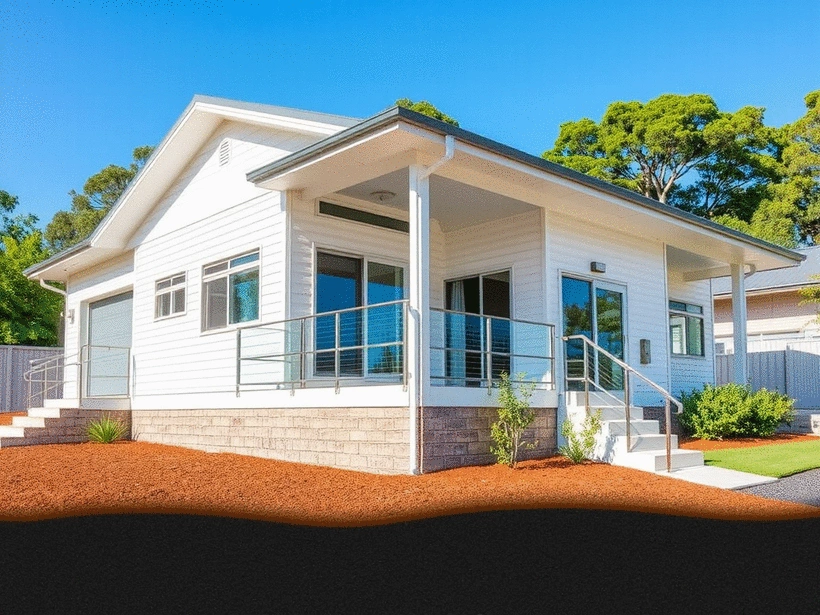
Waterproofing Solutions for Sunshine Coast Homes

Consider this: moisture can silently infiltrate your home, causing damage that not only threatens your property value but also your peace of mind. Understanding residential waterproofing is your first step in safeguarding your home against this unseen enemy. Let’s explore the essential aspects of waterproofing that every homeowner should grasp.

What You Will Learn

  • Residential waterproofing is a protective barrier that prevents water damage and preserves the integrity of your home.
  • Key areas in your home that require waterproofing include bathrooms, kitchens, basements, and balconies.
  • Effective moisture control involves identifying sources of moisture, ensuring proper ventilation, and maintaining functional drainage systems.
  • Surface preparation is crucial; without it, even the best waterproofing materials may fail.
  • Utilizing appropriate materials such as concrete sealers and waterproof coatings can significantly extend the life of your waterproofing efforts.
  • Crawl space encapsulation can enhance air quality and protect your home's foundation from moisture intrusion.
  • Implementing sump pumps and French drains is essential for effective water management and preventing water accumulation around your home.

Residential Waterproofing: Key Areas & Process Flow

Protecting a home from water damage involves understanding critical areas and following a systematic waterproofing process. This ensures structural integrity and long-term durability, especially in high-humidity regions like the Sunshine Coast. For a comprehensive guide on keeping your home dry, check out our residential waterproofing guide for the Sunshine Coast.

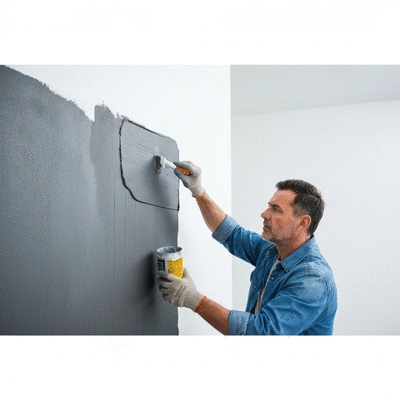
User applying waterproofing material to a wall

Key Areas Requiring Waterproofing

BathroomsKitchensBasementsBalconies & Rooftops

Waterproofing Process Flow

1Surface Preparation
2Material Application (Sealants, Coatings, Membranes)
3Curing & Quality Assurance (Flood Testing)

Critical Waterproofing Materials

Concrete Sealers
Waterproof Coatings
Liquid & Sheet Membranes
Crawl Space Encapsulation

Understanding Residential Waterproofing on the Sunshine Coast

When it comes to protecting your home from water damage, understanding residential waterproofing is crucial. Think of it as the first line of defense against the pesky moisture that can lead to significant structural issues. Living on the beautiful Sunshine Coast, we face unique environmental challenges such as high humidity and rainfall. Thus, comprehending the importance of waterproofing can save you from costly repairs down the line!

At Waterproofing Solutions Sunshine Coast, we believe that every homeowner deserves peace of mind. Waterproofing isn’t just about sealing your property; it’s about ensuring that your living space remains comfortable, safe, and enduring. Wouldn’t it be nice to know you’re making a solid investment in your home?

Lifestyle image of a family enjoying a dry home

What is Residential Waterproofing and Why is it Important?

Residential waterproofing involves applying a protective barrier to various structures in your home to prevent water ingress. This process is vital because it helps maintain the integrity of your home, enhances durability, and can even improve property value. Have you ever noticed signs of dampness in your basement or bathroom? If so, it’s a clear indication that you might need to consider waterproofing solutions.

  • Protection Against Water Damage: Prevents issues like mold growth and structural deterioration.
  • Energy Efficiency: Helps maintain consistent indoor temperatures, reducing energy costs.
  • Increased Property Value: A well-protected home attracts potential buyers.

By investing in effective waterproofing, you not only protect your home but also enhance its overall livability. It’s a step many homeowners overlook, but it’s essential for long-term peace of mind!

Common Areas in Your Home That Require Waterproofing

Identifying where to apply waterproofing in your home is essential. Typically, there are several areas that are more susceptible to moisture. Below is a list of common locations that require special attention:

  • Bathrooms: The constant exposure to water makes bathrooms a high-risk area for leaks and mold. For detailed information, explore our guide on bathroom waterproofing for the Sunshine Coast.
  • Kitchens: Spills and humidity can easily lead to water damage if not addressed.
  • Basements: Often below ground level, basements are prone to flooding if not waterproofed properly.
  • Balconies and Rooftops: These external areas can collect water and cause leaks if unprotected.

Each of these areas has unique waterproofing needs. I often recommend homeowners pay close attention to their bathrooms and basements, as neglecting these spaces can lead to serious issues.

Understanding Moisture Control: Key to Effective Waterproofing

Moisture control is the heart of effective waterproofing. By understanding how moisture behaves in your home, you can take the necessary steps to mitigate its effects. It’s not just about applying a waterproof membrane; it’s about understanding the source of moisture and addressing it holistically.

  • Identify Moisture Sources: Look for leaks, condensation, and high humidity levels.
  • Ventilation: Proper airflow can significantly reduce moisture buildup.
  • Drainage Systems: Ensure that gutters and drains are functioning correctly to divert water away from your home.

Addressing moisture at its source is crucial for ensuring your waterproofing efforts are successful. At Waterproofing Solutions Sunshine Coast, we emphasize the importance of a tailored approach based on your specific needs.

Pro Tip

Did you know? Investing in high-quality waterproofing materials is essential for long-term protection. Look for products that are specifically designed for coastal environments to withstand the unique challenges posed by humidity and rainfall on the Sunshine Coast.

The Residential Waterproofing Process Explained

Understanding how residential waterproofing is executed is crucial for any homeowner on the Sunshine Coast. Waterproofing is not just about applying a product; it's a systematic process that includes several steps to ensure your home is protected against water damage effectively. Each stage is essential, from surface preparation to the application of various materials.

Let me walk you through the process, so you know what to expect when you invest in waterproofing services. It’s important to understand that each step lays the groundwork for a successful outcome, helping to ensure that your property remains dry and safe.

Step-by-Step Guide to Surface Preparation

Surface preparation is often overlooked but is one of the most vital steps in the waterproofing process. If the surface isn’t properly prepared, it can lead to inadequate adhesion of waterproofing materials, which can compromise your entire system. By taking the time to prepare the surface, you're setting the stage for long-lasting protection.

  • Clean the area to remove dirt, debris, and any previous coatings.
  • Repair cracks and holes to create a uniform surface.
  • Ensure that the surface is dry before applying any waterproofing products.

These steps may seem simple, but they are crucial for ensuring that the waterproofing solution adheres properly and functions effectively over time. I can't emphasize enough the importance of this phase—proper surface prep can make a significant difference!

Importance of Proper Surface Preparation

Without thorough surface preparation, even the best waterproofing materials can fail. Moisture can seep beneath poorly applied membranes, leading to costly repairs. It's essential to recognize that every successful waterproofing project starts with a solid foundation.

As a waterproofing specialist, I always emphasize that the effort you put into preparation pays off—both in terms of performance and peace of mind.

Materials and Techniques Used

When it comes to materials, several options are available depending on your specific needs. Common materials include:

  • Concrete sealers, which provide a protective layer against moisture.
  • Waterproof coatings designed for various surfaces like walls and floors.
  • Membranes, which can be applied over prepared surfaces to create a barrier against water.

Using the right combination of materials is essential. This not only ensures that your home remains waterproof but also aligns with Australian standards that govern our industry. To understand more about the common pitfalls, read our article on common waterproofing mistakes to avoid.

Utilizing Concrete Sealers and Waterproof Coatings in Your Project

Concrete sealers and waterproof coatings play a critical role in the waterproofing process. These materials are designed to create a barrier that prevents water infiltration. Have you ever wondered why some basements remain dry while others succumb to moisture? The secret lies in how effective these coatings are at keeping water out.

For example, applying a high-quality concrete sealer can increase the longevity of your surfaces, particularly in high-humidity areas like bathrooms. These products are formulated to withstand the harsh conditions of coastal climates—a key consideration for those of us on the Sunshine Coast.

Applying Membranes: Key Techniques and Considerations

When it comes to applying waterproofing membranes, there are several techniques and considerations. Each type of membrane is designed for specific surfaces and conditions, which is why it's vital to choose the right one for your project.

  • Liquid membranes: Easy to apply, great for irregular surfaces.
  • Sheet membranes: Ideal for flat surfaces, providing a robust barrier.
  • Bituminous membranes: Excellent for below-grade applications like basements.

Choosing the correct type of membrane significantly impacts the overall effectiveness of your waterproofing system. Whether you're dealing with a wet basement or a balcony, having the right membrane is crucial!

Types of Waterproofing Membranes

Let’s break down some of the most common types of waterproofing membranes:

  • Self-adhesive membranes: Simple to install and create a strong bond to the substrate.
  • Polyurethane membranes: Flexible and durable, ideal for various surfaces.
  • EPDM membranes: Known for their longevity and resistance to UV light.

Each of these membranes has unique properties, making them suitable for different applications in your waterproofing project.

Application Methods for Different Surfaces

Applying waterproofing membranes requires attention to detail and a clear understanding of the surface you’re working with. From vertical walls to horizontal surfaces, the application method can vary significantly. You should consider:

  • Surface texture and material.
  • Environmental conditions during application.
  • Recommended curing times for specific products.

When done correctly, these techniques ensure that your home remains protected from water infiltration for years to come.

Crawl Space Encapsulation: A Key Strategy in Residential Waterproofing

For many homes, crawl spaces are a common area where water issues can arise. Crawl space encapsulation is an effective strategy that involves sealing the crawl space with a barrier to prevent moisture from entering. This process can significantly improve air quality and protect the foundation of your home.

By encapsulating your crawl space, you also reduce the risk of mold growth, which can be detrimental to both your health and the structure of your home. It’s a straightforward yet impactful solution that I recommend to homeowners looking to enhance their waterproofing efforts.

Curing and Quality Assurance: Ensuring Longevity

After applying waterproofing materials, the curing process is crucial. This phase allows the materials to set and bond properly, ensuring that they perform as intended. Understanding what to expect during the curing process can help you plan your project effectively.

What to Expect During the Curing Process

Curing times can vary depending on the products used and environmental conditions. Typically, here’s what you can expect:

  • Initial set: 24 hours for most products.
  • Full cure: Up to seven days for optimal performance.
  • Environmental factors: Humidity and temperature can affect curing time.

Being aware of these factors helps you avoid rushing the process, which could jeopardize the quality of your waterproofing. For more insights on maintaining your home's protection, check out our guide on urgent signs for waterproofing repairs.

QA Steps and Flood Testing Explained

To ensure that your waterproofing system is functioning correctly, quality assurance steps and flood testing are essential. After the waterproofing materials have cured, I recommend performing a flood test to check for any potential leaks. This process often involves:

  • Monitoring for water accumulation in areas that are typically dry.
  • Inspecting junctions and seams for signs of moisture.
  • Evaluating the overall effectiveness of the waterproofing system.

By conducting these tests, you can confirm that your investment is sound and that your home is well protected from future water damage.

Implementing Sump Pumps and French Drains for Optimal Water Management

Lastly, implementing sump pumps and French drains can enhance your waterproofing strategy. These systems manage excess water effectively, ensuring that your home remains dry even during heavy rains. Having proper drainage solutions is key to preventing water accumulation and protecting your property.

  • Sump pumps: Actively remove water from basements and crawl spaces.
  • French drains: Redirect water away from your home's foundation.
  • Combination systems: Often the most effective solution for comprehensive water management.

These strategies are especially essential for homeowners on the Sunshine Coast, where rainfall can be unpredictable.

Frequently Asked Questions About Residential Waterproofing

What is residential waterproofing?
Residential waterproofing is the process of applying protective barriers to various parts of your home to prevent water from entering, safeguarding against damage, and preserving structural integrity.
Which areas in my home most commonly require waterproofing?
High-risk areas include bathrooms, kitchens, basements, balconies, and rooftops due to their frequent exposure to water or their susceptibility to moisture intrusion from external factors.
Why is surface preparation so important in residential waterproofing?
Proper surface preparation ensures that waterproofing materials adhere effectively and last longer. Without a clean, dry, and repaired surface, even high-quality materials can fail, leading to leaks and costly repairs.
What types of materials are used for residential waterproofing?
Common materials include concrete sealers, waterproof coatings, and various types of membranes (liquid, sheet, bituminous, self-adhesive, polyurethane, and EPDM membranes), each chosen based on the specific application and surface.
What is crawl space encapsulation and why is it recommended?
Crawl space encapsulation involves sealing the crawl space with a barrier to prevent moisture entry. It is recommended to improve indoor air quality, reduce the risk of mold growth, and protect your home's foundation from moisture damage.
How do sump pumps and French drains contribute to waterproofing?
Sump pumps actively remove accumulated water from basements and crawl spaces, while French drains redirect water away from your home's foundation. Both are critical for effective water management and preventing water accumulation, especially in areas prone to heavy rainfall.

Recap of Key Points

Here is a quick recap of the important points discussed in the article:

  • Importance of Residential Waterproofing: Protects against water damage, enhances energy efficiency, and increases property value.
  • Common Areas for Waterproofing: Pay special attention to bathrooms, kitchens, basements, and balconies.
  • Moisture Control: Identify moisture sources, ensure proper ventilation, and maintain drainage systems for effective waterproofing.
  • Surface Preparation: Clean and repair surfaces before applying waterproofing materials to ensure effectiveness.
  • Utilizing Effective Materials: Use concrete sealers, waterproof coatings, and appropriate membranes for optimal results.
  • Crawl Space Encapsulation: A key strategy to prevent moisture and improve air quality in your home.
  • Quality Assurance: Conduct flood testing and monitor curing processes to ensure waterproofing effectiveness.
  • Drainage Solutions: Implement sump pumps and French drains to manage excess water effectively.
Waterproofing Solutions for Sunshine Coast Homes Waterproofing Solutions for Sunshine Coast Homes Consider this: moisture can silently infiltrate your home, causing damage that not only threatens yo
Flood Damage Restoration in Sunshine Coast Flood Damage Restoration in Sunshine Coast Flood Damage Restoration in Sunshine Coast, Queensland As a homeowner or renter on the beautiful Su
Water Damage Restoration in Sunshine Coast Water Damage Restoration in Sunshine Coast Water Damage Restoration in Sunshine Coast, Queensland If you're a homeowner, renter, or landlord i

Request a Free Quote