Waterproofing Solutions for Wet Areas
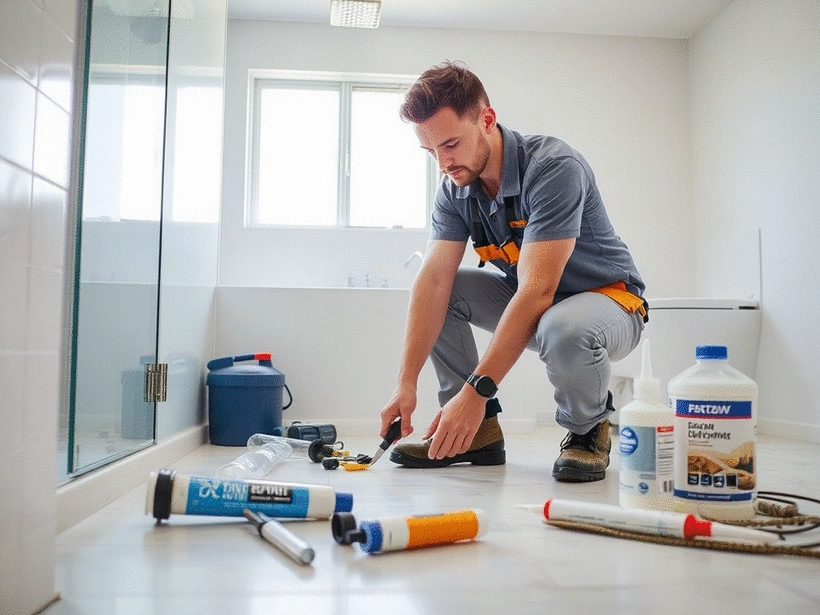
When it comes to safeguarding your home from water damage, understanding the fundamentals of wet area waterproofing is non-negotiable. In humid climates like the Sunshine Coast, the right waterproofing solutions can mean the difference between a safe, dry home and costly repairs.
What You Will Learn
- Wet area waterproofing is essential for areas exposed to frequent moisture, like bathrooms and laundries.
- Compliance with AS 3740 ensures effective waterproofing and reduces risks of mold and structural damage.
- Key wet areas such as bathrooms, showers, and subfloors require specific waterproofing techniques to prevent water intrusion.
- Investing in quality waterproofing can significantly enhance the longevity and value of your property.
Key Wet Areas and Waterproofing Compliance
Ensuring long-term protection against moisture damage requires focusing on specific vulnerable areas and adhering to strict Australian Standards. Here's a breakdown of critical zones and compliance requirements.
Understanding Wet Area Waterproofing in the Sunshine Coast
When it comes to protecting your home from the damaging effects of moisture, understanding wet area waterproofing is essential. In the Sunshine Coast, where the climate can be quite humid, having effective waterproofing solutions in place can save you from costly repairs down the line. Wet areas like bathrooms and laundries need special attention, as they are constantly exposed to water and moisture.
As a waterproofing specialist with over a decade of experience, I’ve seen firsthand how crucial it is to invest in quality waterproofing solutions. It’s not just about preventing water damage; it’s about enhancing the longevity and comfort of your spaces!
What is Wet Area Waterproofing?
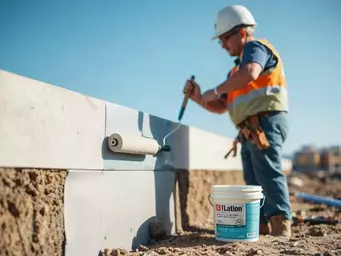
Wet area waterproofing refers to the methods and materials used to prevent water from penetrating the surfaces of areas that are most susceptible to moisture. This includes bathrooms, kitchens, and laundry areas, where water exposure is frequent. Essentially, it involves applying moisture barriers that effectively block water from seeping into walls and floors.
- Seamless membranes installed to block moisture
- Flexible materials that adapt to movement
- Effective drainage systems to prevent water accumulation
By implementing proper wet area waterproofing measures, you can avoid the risks associated with mold growth and structural damage. Have you ever noticed peeling paint or musty odors in damp areas? Those are signs that your waterproofing may not be adequate!
Importance of Compliance with AS 3740 in Wet Areas
Compliance with AS 3740, the Australian Standard for waterproofing wet areas, is crucial for ensuring the effectiveness of your waterproofing solutions. This standard outlines the requirements for the design, installation, and maintenance of waterproofing in wet areas, ensuring that they meet safety and performance criteria.
- Ensures long-lasting protection against water damage
- Reduces the risk of mold and structural issues
- Provides peace of mind for homeowners and builders alike
At Waterproofing Solutions Sunshine Coast, we prioritize compliance with AS 3740 in every project. It’s not just about meeting regulations; it’s about ensuring that our clients have the best protection possible. Have you checked if your current waterproofing methods comply with the latest standards?
Building Code Compliance: Key Regulations for Waterproofing
In addition to AS 3740, there are various building codes that must be adhered to when it comes to waterproofing. These codes are designed to safeguard against water damage and ensure that all structures maintain their integrity over time. Understanding these regulations is critical for any homeowner or builder.
- National Construction Code (NCC) compliance
- Local council regulations specific to the Sunshine Coast
- Industry best practices and guidelines
By working with professionals who are knowledgeable about these regulations, such as our team at Waterproofing Solutions Sunshine Coast, you can be confident that your waterproofing project will be compliant. Investing in proper waterproofing isn’t just a wise decision; it’s a necessary step to protect your investment!
Pro Tip
Did you know? Regularly inspecting your waterproofing systems, especially in high-risk areas like bathrooms and kitchens, can help catch potential issues before they escalate into costly repairs. Consider scheduling a professional assessment at least once a year to ensure your home remains protected and compliant with the latest standards.
Key Wet Areas That Require Waterproofing
When it comes to waterproofing, certain areas in your home are particularly vulnerable to moisture. Identifying these key wet areas early can help prevent costly repairs down the line. As a waterproofing specialist, I've seen firsthand how important it is to focus on these areas to maintain the integrity of your property.
In the Sunshine Coast, the climate can be quite humid, making proper waterproofing not just a choice, but a necessity. Let’s take a closer look at the main wet areas that require our attention and care.
Bathroom Waterproofing: Essential Considerations
Your bathroom is one of the most critical areas for waterproofing. It’s where water is used daily, and without the right barriers, it can quickly lead to serious damage. Here are some essential considerations:
- Seamless membranes: These are crucial for preventing water from seeping through cracks.
- Drainage systems: Properly installed drainage reduces water pooling.
- Ventilation: Good airflow helps to minimize moisture buildup.
By investing in high-quality waterproofing solutions for your bathroom, you can enjoy peace of mind knowing that your home is protected from water damage. Have you checked your bathroom waterproofing lately?
Shower and Laundry Waterproofing: Best Practices
Shower and laundry areas are often overlooked during waterproofing assessments. However, these spaces are frequently exposed to water and, consequently, face a higher risk of moisture-related issues. Here are some best practices:
- Use water-resistant materials for walls and floors.
- Ensure that all joints and seams are sealed properly.
- Consider installing a waterproof membrane beneath tiles.
Following these best practices not only enhances the durability of your shower and laundry areas but also increases the overall value of your home. It’s a win-win!
Subfloor Waterproofing: Techniques and Importance
Subfloors are the unsung heroes of your home, playing a vital role in supporting your structure. However, they are also susceptible to moisture, especially in areas prone to flooding or heavy rains. Implementing effective waterproofing techniques in these areas is crucial:
- Installing a vapor barrier: This helps prevent moisture from the ground from rising into the subfloor.
- Regular inspections: Keeping an eye on potential leaks can save you from unexpected repairs.
- Drainage systems: These are essential to keep water away from your subfloor.
Using these techniques can significantly prolong the life of your flooring and protect your home from water damage. If you're considering subfloor waterproofing, don't hesitate to reach out for a consultation!
Frequently Asked Questions About Wet Area Waterproofing
Using these techniques can significantly prolong the life of your flooring and protect your home from water damage. If you're considering subfloor waterproofing, don't hesitate to reach out for a residential waterproofing guide!
Recap of Key Points
Here is a quick recap of the important points discussed in the article:
- Wet area waterproofing is essential for protecting homes from moisture damage, especially in humid climates like the Sunshine Coast.
- Compliance with AS 3740 ensures that waterproofing methods are effective and meet safety standards.
- Key wet areas requiring attention include bathrooms, kitchens, and laundries, which are frequently exposed to water.
- Best practices for waterproofing include using seamless membranes, effective drainage systems, and ensuring proper ventilation.
- Subfloor waterproofing techniques, such as installing vapor barriers and regular inspections, are crucial for protecting your home.